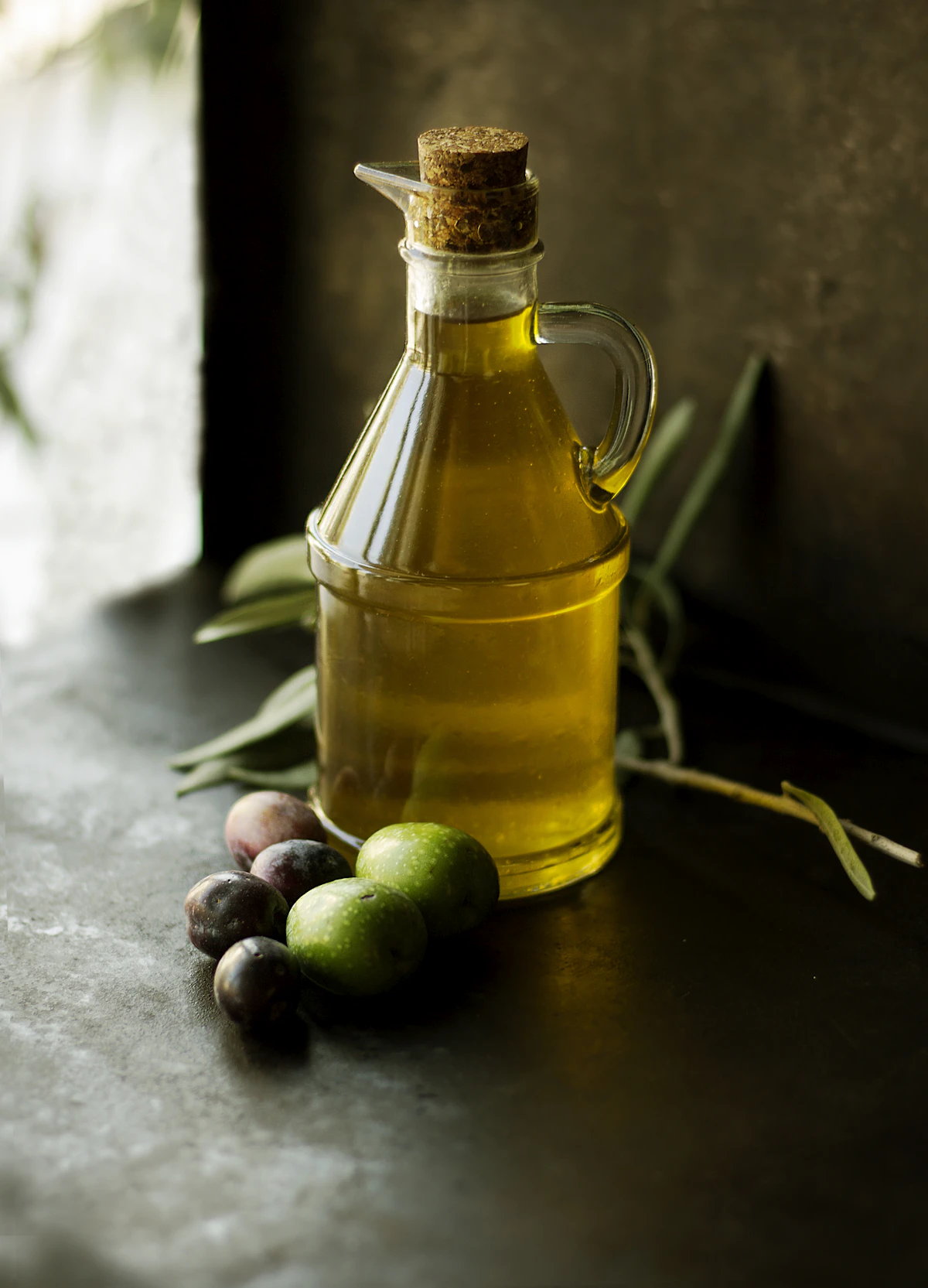
ASEAN supplies the majority of the world's traded palm oil and coconut oil. Indonesia and Malaysia dominate palm; the Philippines, Indonesia and Vietnam lead coconut; Thailand is a major rice bran oil and refined palm player. For food manufacturers, private-label brands and food-service distributors, this guide explains how to import edible oils from the region.
Key Oils and Origins
- Palm oil (Indonesia, Malaysia, Thailand): CPO, RBD palm olein (cooking oil), palm stearin and specialty fractions for bakery and confectionery.
- Coconut oil (Philippines, Indonesia, Vietnam, Thailand): RBD coconut oil for food industry; virgin coconut oil (VCO) for retail and cosmetics.
- Rice bran oil (Thailand, Vietnam): A premium high-smoke-point cooking oil growing fast in health-positioned retail.
- Specialty: Palm kernel oil, red palm oil, MCT oil, and blended oils to customer spec.
Certifications That Matter
- RSPO: For palm oil into the EU and brand-sensitive markets, specify the supply-chain model — Identity Preserved, Segregated or Mass Balance — and verify the mill's certificate scope.
- Food safety: HACCP/ISO 22000/FSSC 22000 at the refinery; Halal certification is standard in Malaysia and Indonesia.
- Contaminants: EU buyers must manage 3-MCPD esters and glycidyl esters limits — require test data per shipment for refined palm products.
- Sustainability: EUDR will apply to palm oil; ensure geolocation traceability to plantation level for EU-bound volumes.
Specifications to Fix in the Contract
- FFA (%), moisture and impurities, peroxide value, iodine value, melting point/slip point for fractions, colour (Lovibond), and cloud point for olein.
- For VCO: cold-pressed vs centrifuged, lauric acid content, and sensory profile.
- Always reference a recognised standard (PORAM, MEOMA or customer spec sheet) plus independent survey at loading.
Packaging and MOQ
- Bulk: Flexitanks (20–21 tonnes per 20-foot container) or ISOTanks for industrial buyers.
- Food service: 16–20L jerrycans or bag-in-box, typically one 20-foot container MOQ.
- Retail: PET bottles or jars from 250ml to 5L; private-label MOQ usually 1–3 containers depending on bottle sourcing.
- Indicative pricing follows the Bursa Malaysia derivatives benchmark for palm; coconut oil trades at a premium linked to copra supply.
Quality Control
- Independent surveyor (SGS/Intertek-type) at load port for quantity and quality, with sealed samples retained.
- FOSFA or GAFTA contract terms give you a tested dispute framework.
- For retail packs: bottle leak tests, torque checks, label adhesion and shelf-life verification.
How TUSKO Helps
TUSKO is your single point of contact on the ground in Bangkok, Kuala Lumpur and Jakarta. We vet refineries against your certification requirements, verify RSPO scope certificates, commission independent load surveys, and manage the order end to end — with our fees built into your landed cost.
Talk to us: WhatsApp Business @tuskoconsulting (reply within 12-24 hours) or email contact@tuskoconsulting.com.
FAQs
Can I import palm oil into the EU given the sustainability rules?
Yes, with the right preparation: RSPO-certified supply chains, 3-MCPD/glycidyl test data, and EUDR geolocation traceability. We only work with refineries that can deliver all three.
What is the difference between RBD and virgin coconut oil?
RBD is refined, neutral in taste, and used for food manufacturing; VCO is unrefined with coconut aroma, positioned for health retail. They come from different process lines — verify which one a supplier actually runs.
What is a realistic MOQ for private-label bottled oil?
Usually 1–3 containers depending on bottle format. Flexitank bulk is the lowest-cost entry if you bottle at destination.