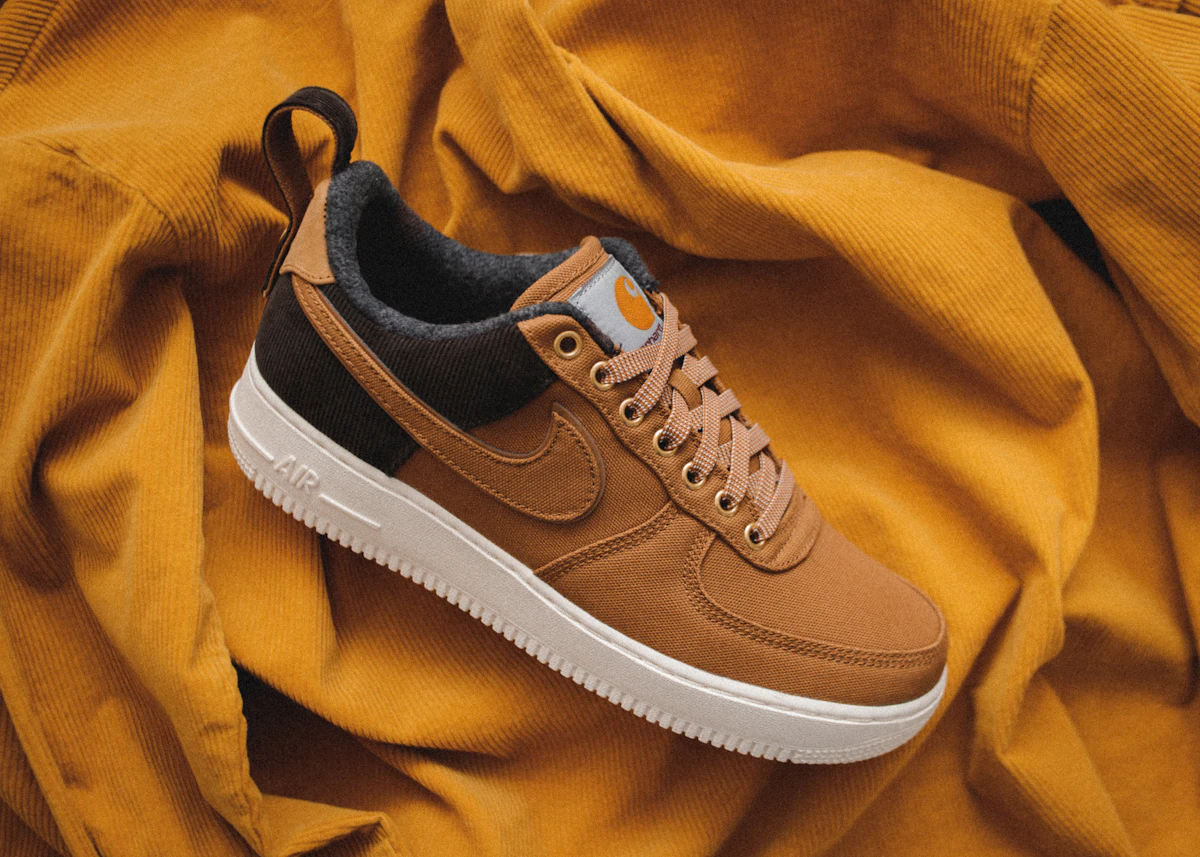
ASEAN is now the world’s largest footwear manufacturing base outside China — and for many categories it has already overtaken it. Vietnam alone exports over $20 billion of footwear a year, Indonesia is a global hub for athletic shoes, and Thailand specialises in leather footwear, sandals and safety shoes. This guide explains how US, EU and Australian importers can source footwear from the region with confidence.
Which Country for Which Footwear?
Vietnam — athletic shoes and volume production
Vietnam is the world’s second-largest footwear exporter, producing for the biggest global sneaker brands. Strengths include sports shoes, canvas footwear and high-volume runs. The EVFTA gives EU buyers 0% duty on many footwear lines, and CPTPP benefits apply for member countries.
Indonesia — athletic and casual footwear
Indonesia’s West Java cluster produces athletic, casual and outdoor footwear at competitive labour rates, with strong capacity for large orders.
Thailand — leather shoes, sandals and safety footwear
Thailand’s strength is leather dress shoes, EVA and rubber sandals, and certified safety footwear (EN ISO 20345). Smaller MOQs and strong craftsmanship suit boutique and private-label brands.
Specifying Your Product
A complete footwear tech pack covers:
- Last and sizing — US/EU size runs, width grades, and a physical reference sample.
- Materials — leather grades (full grain, top grain, split), textiles, EVA/PU/TPR outsoles, adhesives.
- Construction — cemented, vulcanised, strobel, Goodyear welted.
- Tests — flexing, abrasion, bond strength, colour fastness.
Compliance for Western Markets
- EU REACH — restricted azo dyes, chromium VI in leather, PAHs, phthalates.
- US — no pre-market certification, but CPSIA applies to children’s footwear; California Prop 65 for chemical disclosures.
- Labelling — EU footwear directive requires material composition labels (upper, lining, outsole).
MOQs and Pricing
Typical MOQs run 500–1,000 pairs per style/colour in Vietnam and Indonesia; Thai factories often accept 300–500 pairs for leather and sandals. Indicative FOB prices: canvas sneakers $4–8, athletic shoes $8–18, leather dress shoes
5–35, EVA sandals .5–4.Quality Control
Footwear defects concentrate in bonding, symmetry and stitching. We recommend inline inspection during lasting and a final random inspection to AQL 2.5 covering appearance, pair matching, adhesion pull tests and carton drop tests.
How TUSKO Helps
We identify and audit footwear factories matched to your category and volume, manage sampling and wear-testing, negotiate pricing with fees built into your landed cost, and run QC before shipment — one point of contact from tech pack to delivery.
Frequently Asked Questions
Can I produce small runs to test a market? Yes — Thai and some Vietnamese factories accept 300–500 pairs, at a higher unit price.
How long does sampling take? Typically 3–5 weeks including material sourcing; bulk production 45–75 days after approval.
Do factories work with my own materials? Yes, nominated-material programs are common; we coordinate nominated suppliers and in-line material checks.
Ready to explore footwear sourcing from ASEAN? Message us on WhatsApp @tuskoconsulting or email contact@tuskoconsulting.com — we reply within 12-24 hours.