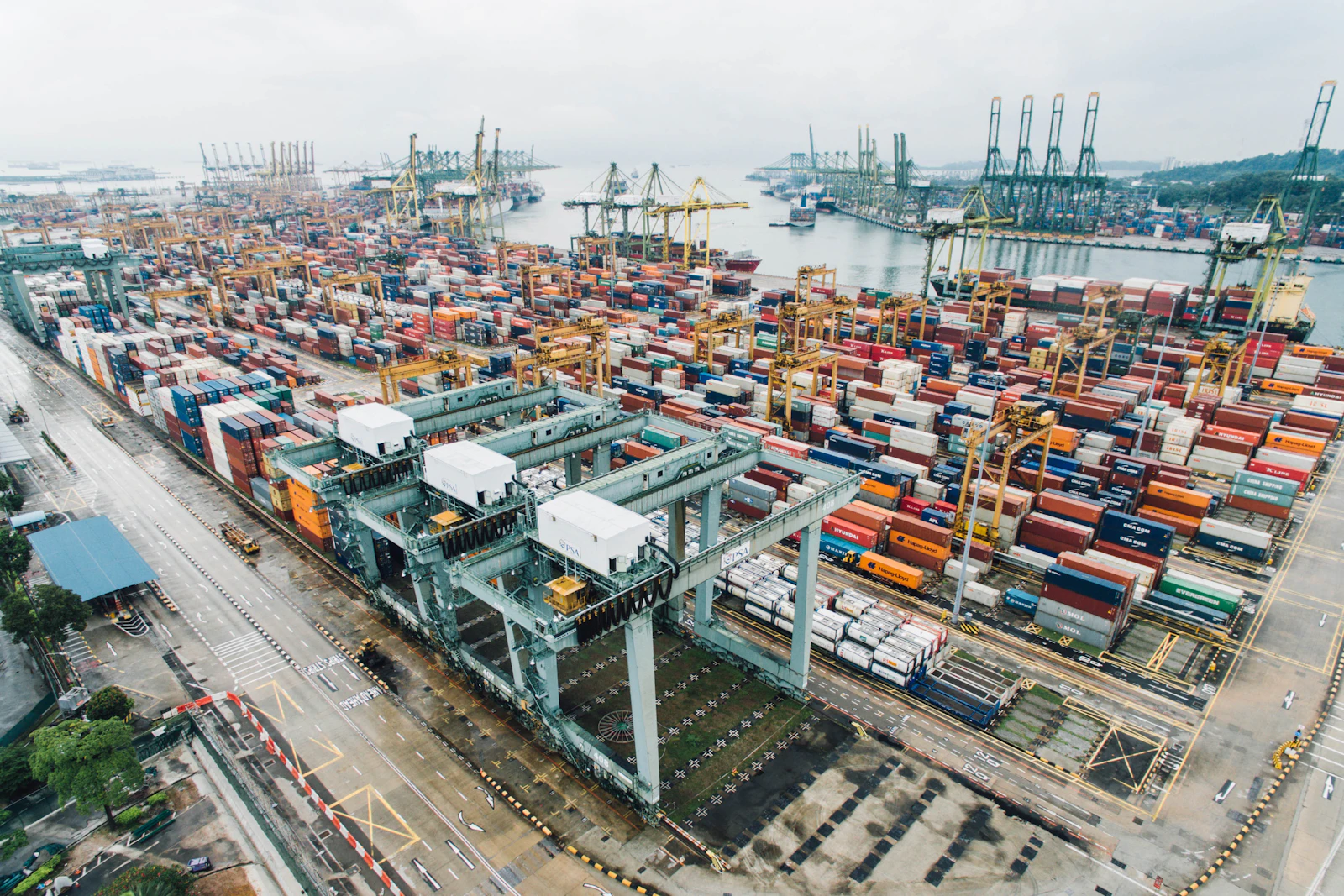
The question is no longer whether ASEAN can manufacture — it plainly can — but where it beats China, where it does not, and what a switch actually costs. Here is the comparison without the marketing.
Where China still wins
Component ecosystem depth is China's genuine advantage. For electronics, complex assemblies with many bought-in parts, and categories requiring hundreds of sub-suppliers within a short radius, China's cluster density is not yet matched in ASEAN. Prototyping speed and tooling turnaround are typically faster, and the sheer number of qualified factories means more competitive quoting at any volume.
Where ASEAN wins
Tariff and trade exposure is the obvious one for US and European importers, and it is not a small factor in landed cost. Beyond tariffs, ASEAN countries offer real strengths by category: Thailand in automotive parts, metal fabrication, food and pet food, rubber and medical consumables; Vietnam in furniture, textiles, footwear and electromechanical assembly; Indonesia in agricultural ingredients, wood and natural materials; Malaysia in electronics, semiconductors and precision engineering.
Cost, properly compared
Unit price comparisons mislead. Compare landed cost: unit price, tooling amortisation, inland transport, freight, duty after any applicable free trade agreement, inspection, and the cost of quality failure. A higher ASEAN unit price frequently produces a lower landed cost once tariff treatment and freight are included.
Capability, factory by factory
The variability within each country is larger than the variability between countries. There are excellent factories in Indonesia and weak ones in China. National generalisations are useless for a purchasing decision; an on-site audit against a written standard is not.
The real cost of switching
Switching is not free. Expect re-tooling or tool transfer, new sample and validation rounds, requalification testing, new documentation, and a period of running dual supply. For most multi-category ranges the sensible approach is sequenced: move the categories where ASEAN is strongest first, keep the rest until the new supply proves itself.
China plus one, done properly
The version that works is a genuinely operating second source carrying a standing share of volume, in a different country, port and tariff regime. The version that fails is a dormant backup nobody has produced a real order through.
How to decide
Score each category on tariff exposure, ASEAN capability depth, tooling cost to move, regulatory requalification burden and volume. The categories that score well on the first two and low on the next two are your first movers.
Working with TUSKO
We operate as an industrial consulting and trading team across Thailand, Vietnam, Indonesia and Malaysia, acting as your single point of contact and contract counterparty — so a multi-country program still means one relationship, one quality standard and one set of documentation.
Frequently Asked Questions
Is ASEAN cheaper than China?
Not always on unit price. It is frequently cheaper on landed cost for US and EU importers once tariffs, freight and quality-failure risk are included, and the answer varies sharply by category.
Which ASEAN country should I choose?
Match the country to the process: Thailand for metal, automotive, food and rubber; Vietnam for furniture, textiles and electromechanical assembly; Indonesia for agricultural and natural materials; Malaysia for electronics and precision engineering.
What does it cost to switch from China to ASEAN?
Budget for tool transfer or new tooling, sample and validation rounds, requalification testing and a dual-supply period. Sequencing by category keeps that cost manageable.
Can I keep my Chinese supplier as well?
Yes, and for most buyers that is the correct answer. A second source in a different country and tariff regime reduces risk without discarding a working relationship.
Do free trade agreements reduce my duty?
They can substantially, but only with valid origin documentation meeting the rules of origin. Confirm eligibility and paperwork before production, not at customs clearance.