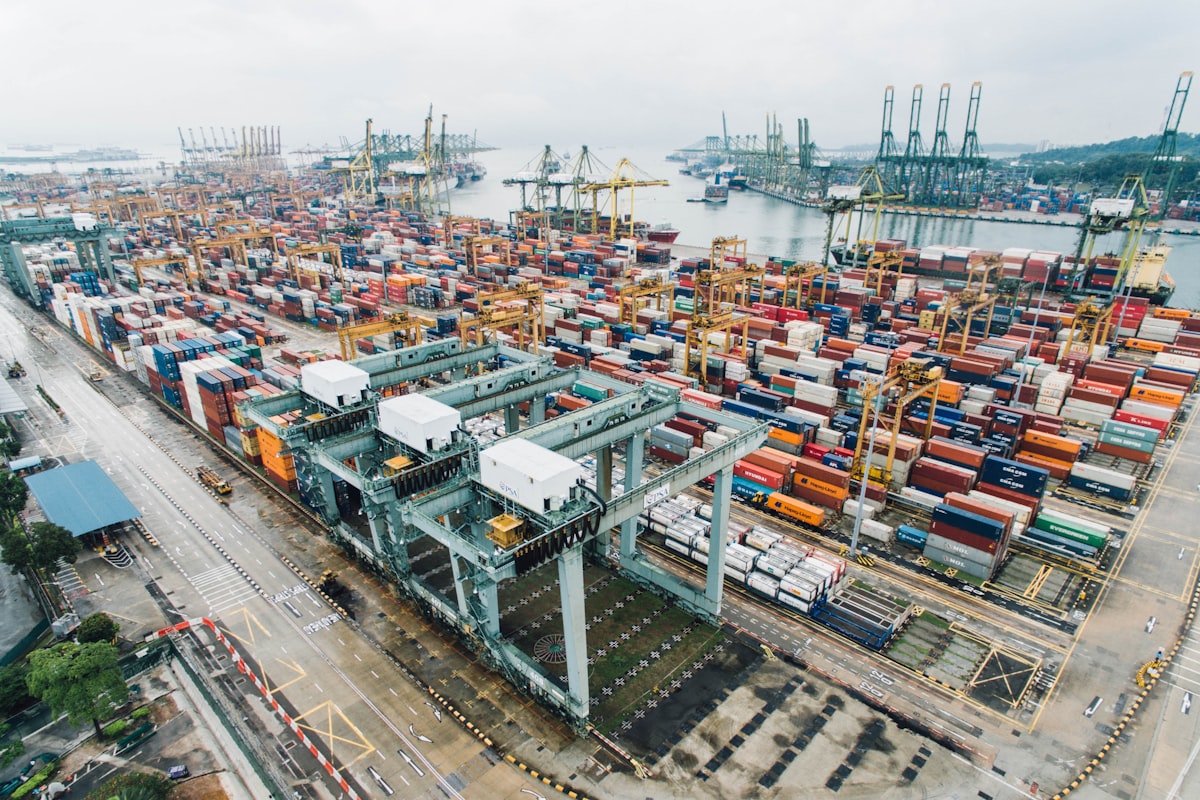
Hong Kong buyers sit in an unusual position: a free port with almost no import duty, and a trading culture built on re-export. That changes the import-or-manufacture calculation compared with a European or American buyer.
Import or manufacture: the Hong Kong lens
Because Hong Kong charges no general customs tariff, duty is rarely the deciding factor. The decision comes down to margin control, origin, and who owns the specification.
- Import finished goods when you are testing a category, serving a spot order, or trading on speed.
- Manufacture in Thailand when your end customers demand non-China origin, when you sell under your own label, or when volume makes tooling cheap per unit.
Origin is the real driver
Many Hong Kong companies now use Thailand precisely to obtain Thai origin for onward shipment to the US, EU or Gulf. That only works if substantial transformation genuinely happens in Thailand and you can document it. Buying finished goods and re-labelling them does not create origin.
If origin matters to your buyer:
- Keep the BOM, process routing and factory records auditable.
- Obtain the Thai Certificate of Origin (Form D, Form E or a preferential form as relevant to the destination).
- Never route through a structure whose only purpose is a label change.
Our triangular trade guidance covers the compliant version of this pattern.
Freight and lead times
Laem Chabang to Hong Kong is one of the shortest ocean lanes from Thailand, generally 4-7 days port to port. Air freight from Bangkok is a few hours, which makes Hong Kong a natural consolidation and QC checkpoint for multi-market programmes.
Planning notes:
- LCL is often adequate given the short transit and low duty exposure.
- Consolidating Thai production with other sourcing origins in Hong Kong can cut per-market freight.
- Build 2-3 weeks of buffer for first production runs, not for repeats.
Break-even for a trading house
A Hong Kong trader carries different costs from a brand owner. Include:
- Tooling and fixtures if you own the mould.
- QC and inspection per shipment.
- Working capital cost of deposits and longer OEM cycles.
- The margin you lose by not being able to switch suppliers freely once tooling is committed.
Rule of thumb: with a USD 1.50 per-unit OEM saving and USD 10,000 of tooling and setup, you need about 6,700 units to break even - before your capital cost. Below that, keep importing finished goods.
Compliance you still cannot skip
Hong Kong is duty-free but not rule-free. Food, pharmaceuticals, cosmetics, electrical goods and toys carry local requirements, and anything you re-export must satisfy the destination market's rules - CE, UKCA, FDA, CPSC or Gulf conformity as applicable.
Practical next steps
- Define whether you need Thai origin, Thai capacity, or simply a Thai price.
- Verify the supplier is a real factory before you commit tooling.
- Model landed cost for the final destination, not just Hong Kong.
Frequently Asked Questions
Does Hong Kong charge import duty on goods from Thailand?
Hong Kong is a free port with no general customs tariff. Excise applies only to a short list including liquor, tobacco, hydrocarbon oil and methyl alcohol.
Can I re-export Thai goods as Thai origin?
Only if the goods genuinely originate in Thailand and you hold a valid Certificate of Origin. Repackaging or relabelling in a third location does not create origin and can expose you to penalties in the destination market.
How long is shipping from Thailand to Hong Kong?
Typically 4-7 days port to port from Laem Chabang, or same-day to next-day by air from Bangkok.
Should a trading house own the tooling?
Own it if you control the design and expect repeat volume; otherwise let the factory carry the tool and keep your flexibility. Contracts should state who owns the tool in either case.
How do I get a supplier shortlist?
Send your product spec, target volume, and destination market. We return verified Thai suppliers, a landed-cost model, and an import-versus-OEM recommendation.