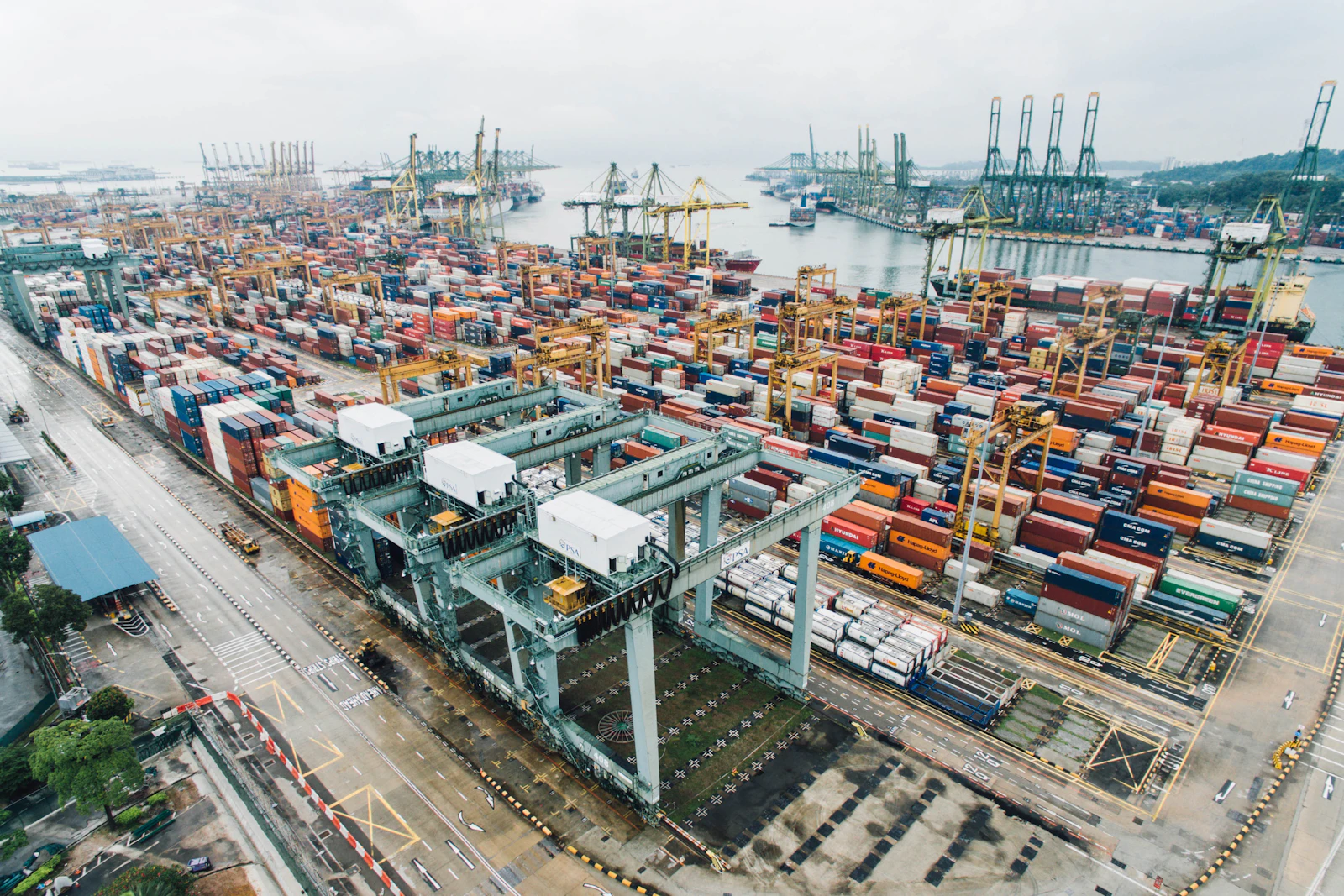
Ocean freight from Thailand carries risk — from storms in the Gulf of Aden to container fires. This guide explains ICC clauses, premium ranges, and how to file claims.
ICC Clauses
- ICC (A) — all-risk, ~0.15–0.35% of CIF value. Standard for finished goods.
- ICC (B) — named perils (fire, collision, jettison). ~0.10–0.20%.
- ICC (C) — basic named perils only. ~0.06–0.12%. Rarely used.
Choose ICC (A) for OEM, electronics, food, and consumer goods. ICC (B) is acceptable for bulk raw materials.
Insured Value
Standard is CIF + 10% (covers profit + duty). Some buyers insure at 110–120% for high-value or long transit.
Who Buys?
- CIF / CIP — seller (Thai factory) buys insurance
- FOB / EXW / FCA — buyer arranges. Usually cheaper via your own broker.
Buyers importing on FOB Bangkok typically use their freight forwarder or a broker like Marsh, AON, or local Thai insurers (Bangkok Insurance, Muang Thai).
Claim Procedure
- Note damage on delivery receipt — do not sign clean
- Photograph immediately
- Notify insurer within 3 days
- Preserve packaging until surveyor inspects
- Submit claim with B/L, invoice, packing list, survey report
Common Exclusions
- Insufficient packing
- Inherent vice (e.g., rust on unpainted steel)
- Willful misconduct
- War & strikes — require SRCC clause add-on
Related Reading
FAQ
Is marine insurance mandatory? No, but strongly recommended. Carriers cap liability at ~USD 500 per package under Hague-Visby.
Does CIF cover full loss? CIF requires seller to insure at 110% ICC (C) minimum. Upgrade to ICC (A) if goods are sensitive.
How long to settle a claim? Straightforward claims 30–60 days. Contested claims 3–6 months.