Thailand → GCC Trade Flow
Thai exports to the GCC exceeded
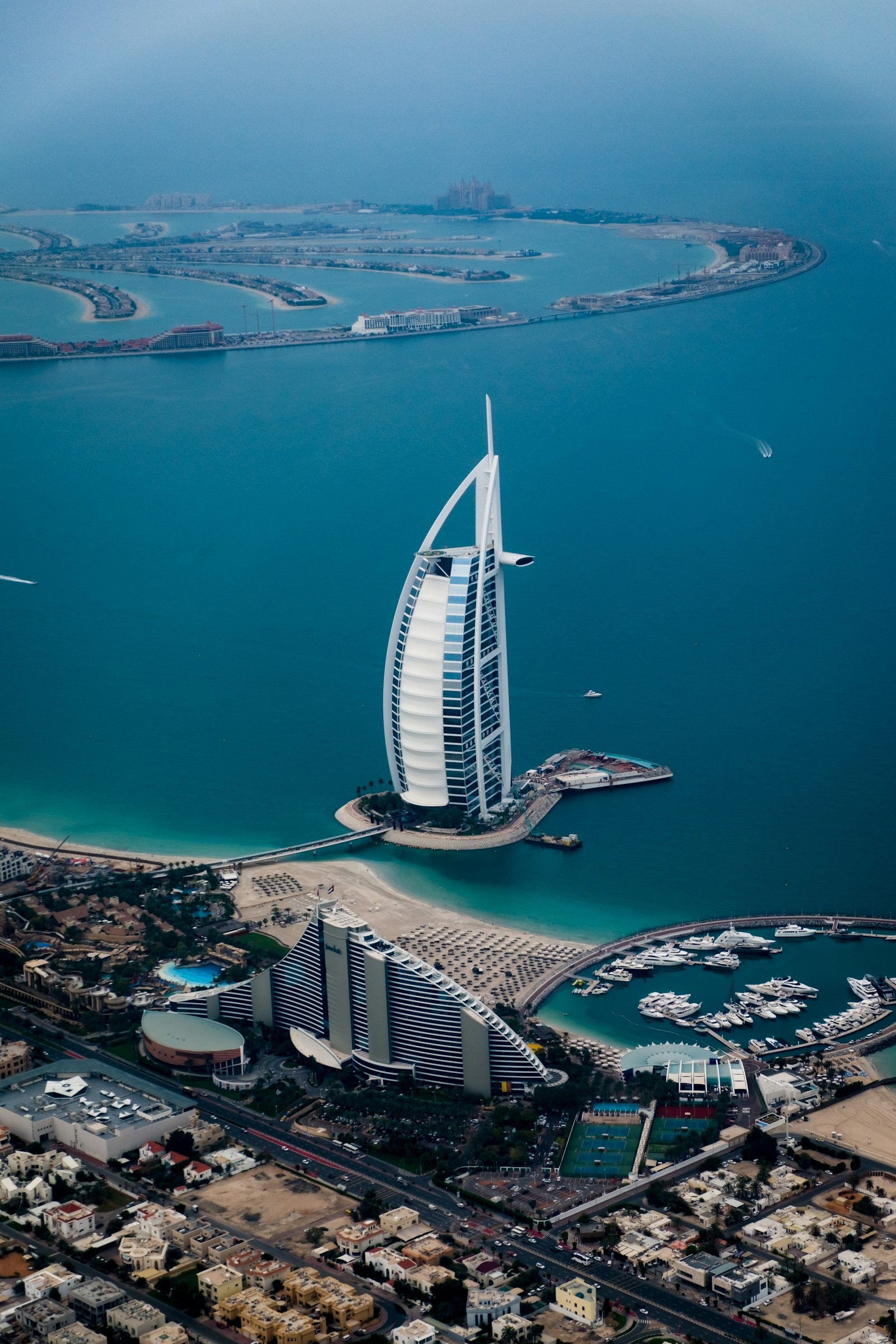
0B in 2025. UAE serves as the re-export hub for Saudi, Qatar, Oman, Kuwait, and Bahrain markets.High-Volume Categories
- Jewelry and gold ornaments
- Automobiles and spare parts
- Canned tuna and processed food
- Air conditioners and appliances
- Rubber, plastics, and construction materials
GCC Customs Union
- Unified 5% common external tariff on most goods
- Single customs declaration for entry point → free movement across GCC
- VAT: 5% (UAE, Saudi, Bahrain); 0% Qatar/Oman/Kuwait consumer goods TBD
Key Certifications
SASO SABER (Saudi Arabia)
Mandatory conformity certificate before shipment. Product Certificate + Shipment Certificate required.
ESMA / ECAS (UAE)
Regulated products need Emirates Conformity Assessment before customs clearance.
Halal Certification
Food, cosmetics, pharmaceuticals — Halal certificate from CICOT (Thailand) accepted by GCC halal bodies.
Logistics: Laem Chabang → Jebel Ali
| Route | Transit | 40'HC (USD) |
|---|---|---|
| Bangkok → Jebel Ali | 14–18 days | ,600–2,300 |
| Bangkok → Dammam | 16–20 days | ,800–2,500 |
| Bangkok → Doha (Hamad) | 15–19 days | ,900–2,600 |
Payment Norms
- L/C at sight or 30 days from Emirates NBD, ADCB, SNB
- T/T 30/70 for established relationships
- Trade financing via Etihad Credit Insurance available
FAQ
Q: Is Halal certification recognized between Thailand and GCC? A: Yes — CICOT Thailand is recognized by ESMA (UAE), SFDA (Saudi), and most GCC halal authorities.
Q: What is SABER and when is it required? A: Saudi's mandatory conformity platform for all regulated products entering KSA. Register before shipment.
Q: Do I pay VAT twice re-exporting from UAE to Saudi? A: No — proper GCC transit documentation avoids double VAT.
Q: MOQs for Thai suppliers to GCC? A: Typical 1,000–5,000 units; jewelry and premium goods accept lower.