Import from Thailand to New Zealand 2026 (TAFTA)
TUSKO Consulting helps buyers in NZ import from Thailand — from supplier verification and factory audits to QC, freight, and customs clearance. This guide covers what you need to know in 2026.
Why Import from Thailand
Thailand is ASEAN's second-largest economy and a top-10 global exporter of automotive parts, electronics, rubber products, processed food, and consumer goods. Thai factories offer strong QC systems, English-speaking export teams, and mature logistics infrastructure via Laem Chabang and Bangkok ports.
Trade Agreement & Duty
Check the applicable FTA before quoting landed cost. A valid Certificate of Origin is required to claim preferential tariffs — request it from your supplier before shipment.
Compliance & Certifications
Regulated categories (food, cosmetics, electrical, medical, toys) require destination-country approvals. Build compliance timelines into your PO — some certifications take 8–16 weeks.
Logistics & Freight
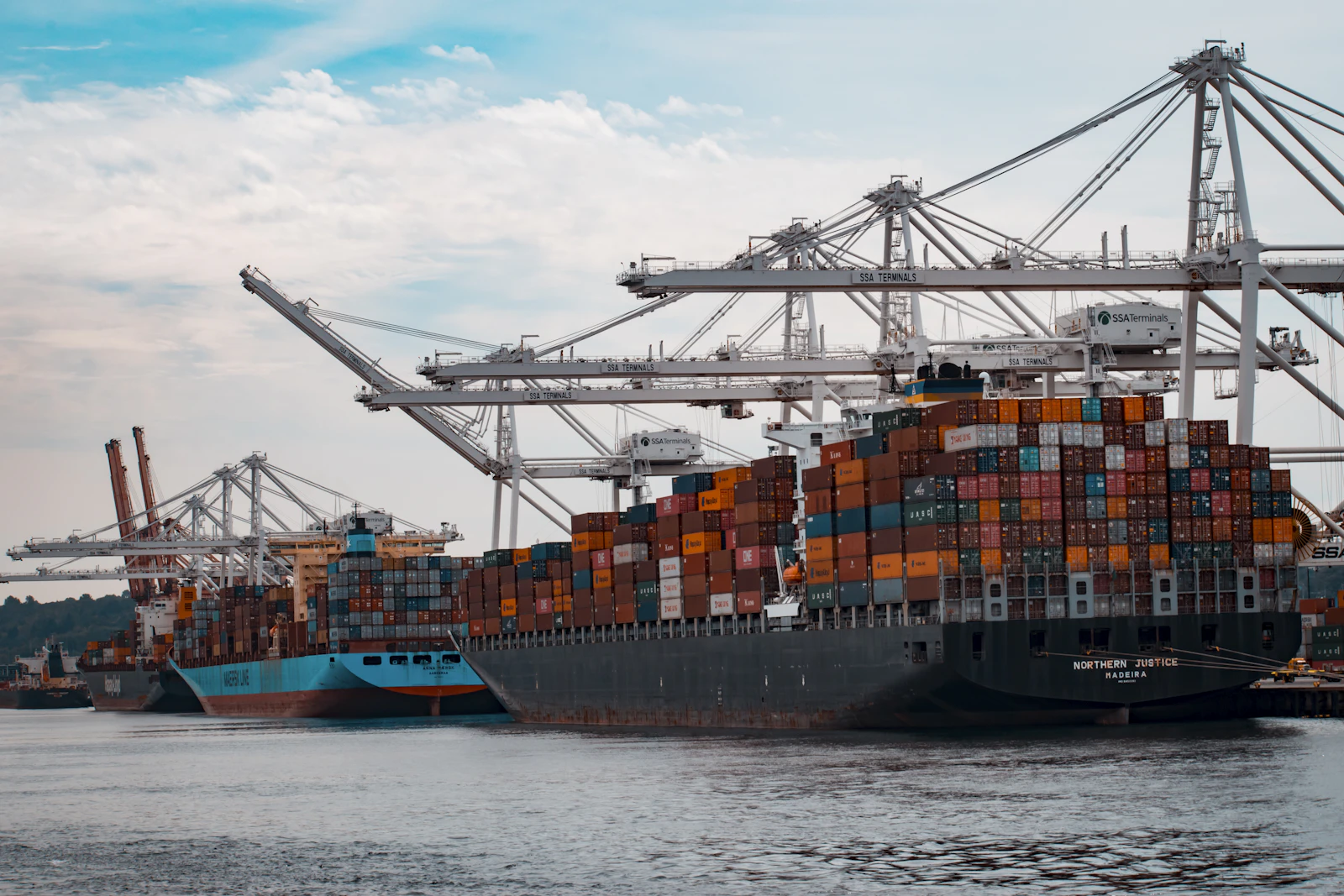
Sea freight (FCL/LCL) is the default for B2B volumes. Air freight is used for samples, urgent restocks, or high-value low-weight goods. Work with a forwarder experienced in the Thailand–NZ lane.
Working with TUSKO
We handle supplier sourcing, factory audit (7-step process), sample management, pre-shipment inspection, and freight coordination. Single point of contact — no separate retainer or hidden commission. Fees are built into the landed cost quote.
Related Reading
Frequently Asked Questions
Do I pay duty importing from Thailand to New Zealand?
Under TAFTA (in force since 2005), most goods are duty-free with a valid Certificate of Origin (Form TAFTA). GST of 15% still applies at the border on CIF + duty.
What biosecurity rules apply?
MPI enforces strict rules on food, timber, and any organic material. Wooden pallets must be ISPM 15 heat-treated. Food imports need MPI clearance and often a Food Importer registration.
Is there a de minimis for NZ imports?
GST applies to low-value goods (NZD 1,000 or less) collected by the overseas supplier under NZ's low-value goods rules. Commercial B2B shipments always attract GST at import.