Import or Manufacturing from ASEAN: 2026 Guide for US, EU & UK Buyers
ASEAN is no longer the "alternative" to China — for many product categories it is the first choice. Thailand, Vietnam, Indonesia and Malaysia together cover metal fabrication, electronics assembly, plastics, food processing, textiles and furniture at landed costs that routinely beat coastal China, with cleaner trade access into the US and EU.
This guide is written for procurement teams in the US, UK, EU, Australia and Japan who are evaluating ASEAN as a manufacturing base in 2026.
Why first-world buyers are moving to ASEAN
- Tariff advantage: no Section 301 tariffs; EVFTA gives Vietnam preferential EU access, and Thailand–EU negotiations are advancing.
- Multi-category depth: Thailand leads in automotive, food and precision metalwork; Vietnam in electronics, footwear and furniture; Indonesia in rubber, minerals and textiles; Malaysia in semiconductors and medical devices.
- Mature compliance culture: IATF 16949, ISO 13485, BRC, GMP and HACCP-certified factories are findable in every major category.
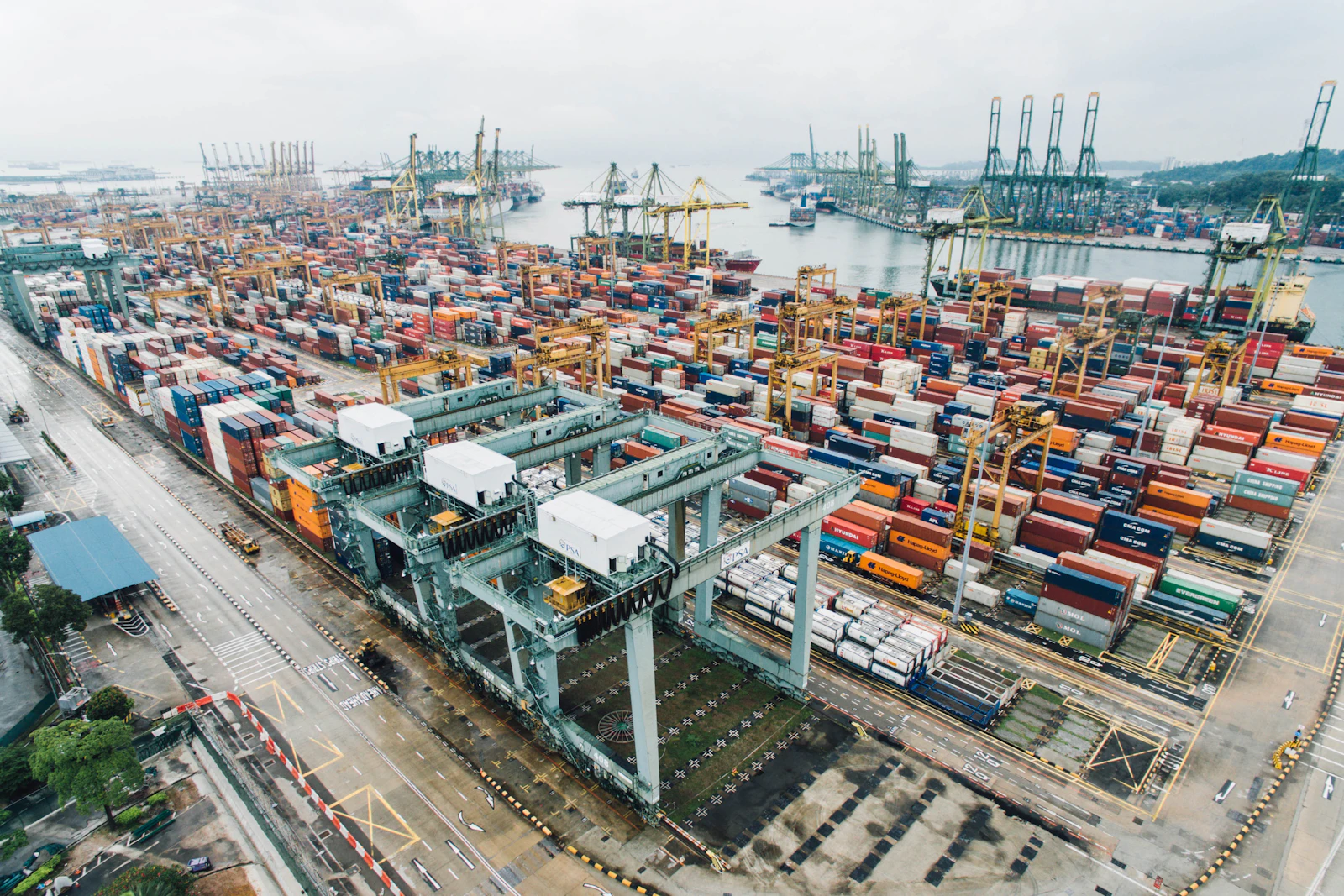
- Logistics: Laem Chabang, Cat Lai, Port Klang and Tanjung Priok offer direct services to Los Angeles, Rotterdam, Hamburg and Sydney in 18–35 days.
Import vs. contract manufacturing: which model fits you
Import (buy finished goods) works when the product already exists and you need a reliable exporter. Contract manufacturing (OEM/ODM) fits when you own the design and need a factory to build to your spec — this requires factory qualification, sample approval, and in-process QC.
Most first-world buyers end up hybrid: importing commodity SKUs while running OEM programs for differentiated products. A single regional partner that handles both models removes the coordination tax.
The five-step qualification process we run
- Supplier mapping — longlist 15–30 factories per category, filter by certification scope and export history.
- Document screen — business license, export licence, cert validity, litigation check.
- On-site audit — process capability, machine park, social compliance, raw material traceability.
- Sample & pilot — golden samples, then a pilot PO with 100% pre-shipment inspection.
- Scale — AQL-based inspection regime, consolidated freight, and DDP delivery to your dock.
Realistic budgets and timelines
- Factory qualification to first production PO: 10–16 weeks (add 6–10 for new tooling).
- Pre-shipment inspection: USD 250–400 per man-day.
- Sea freight ASEAN→US West Coast: 18–24 days; ASEAN→Rotterdam: 26–35 days.
Frequently asked questions
Is ASEAN really cheaper than China in 2026? For labour-intensive assembly and agri-based products, usually yes. For deep electronics supply chains, China still wins on component proximity — which is why many buyers run ASEAN final assembly on Chinese sub-components.
Which ASEAN country should I start with? Match the country to the category, not the other way around. Automotive and food: Thailand. Electronics and footwear: Vietnam. Rubber and textiles: Indonesia. Medical and semiconductor-adjacent: Malaysia.
Do I need a local entity to manufacture in ASEAN? No. Working through a trading partner like TUSKO, you contract with one party that manages the factories, QC and export paperwork — no local incorporation required.
How do I protect my IP? Register trademarks in each production country, use NNN-style agreements adapted to local law, and split sensitive sub-assemblies across suppliers where feasible.
Ready to scope your first ASEAN program? Send us your product specs and target volumes — we will map qualified factories within two weeks.