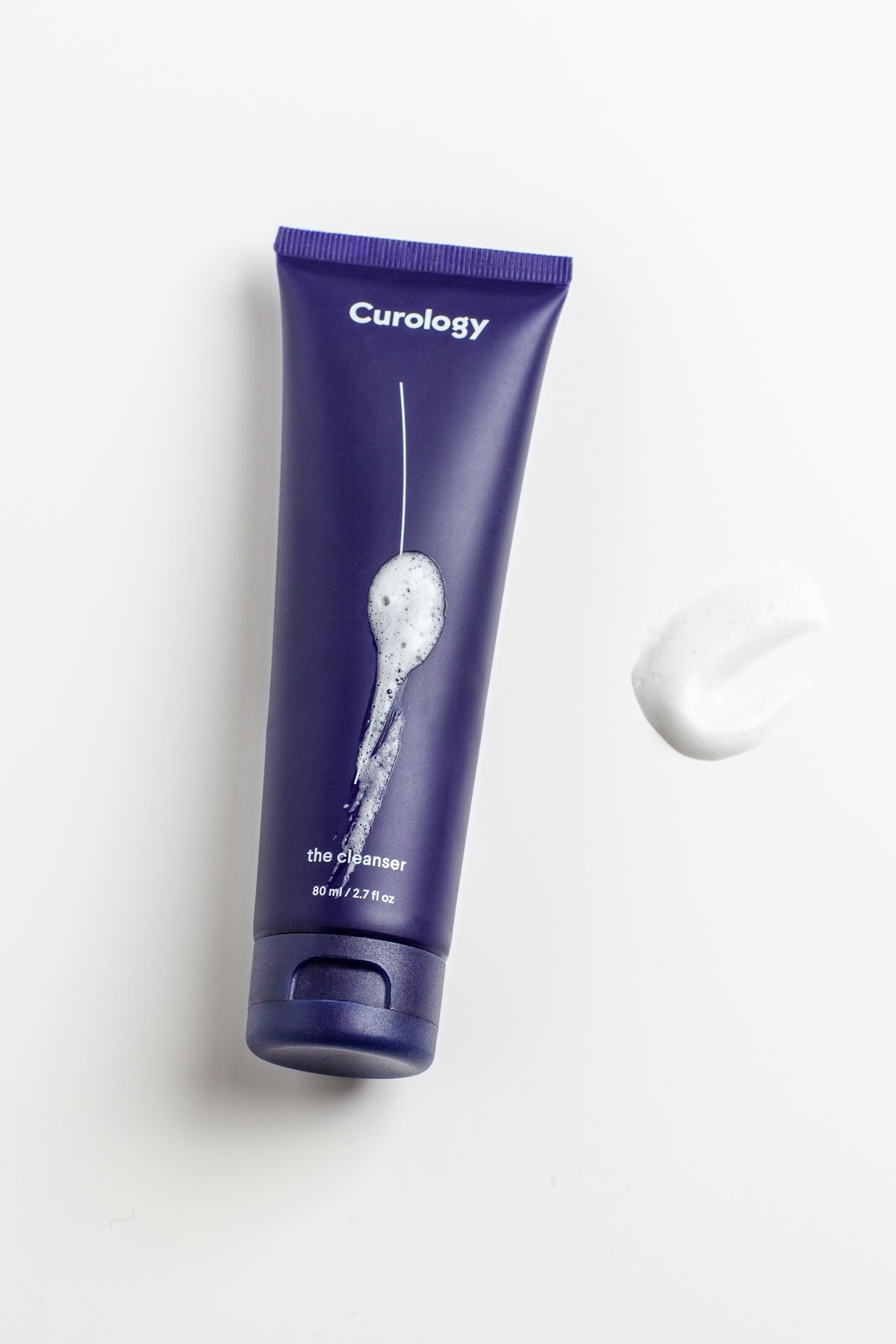
Private label is the fastest route into multiple categories because you are buying an existing process, not developing one. The work shifts from engineering to specification control, artwork and brand protection.
What private label looks like by category
| Category | What you customise | What you inherit |
|---|---|---|
| Housewares and kitchen | Colour, finish, packaging, branding | Existing moulds and line |
| Textiles and soft goods | Fabric colour, label, trim, pack | Pattern blocks and sewing process |
| Personal care | Fragrance, pack, claims within limits | Approved base formula |
| Supplements and food | Flavour, pack size, label | Registered formula and GMP process |
| Accessories | Material, plating, logo | Existing hardware tooling |
Because tooling and formulas already exist, minimums and lead times are usually far lower than for bespoke development.
Control the three things that go wrong
- Specification drift. Lock the base formula or material spec in writing and require written approval for any change. Substitution after approval is the top cause of reorder complaints.
- Artwork errors. Destination labelling differs by market. Approve a printed proof, not a PDF, and check the mandatory elements listed in the compliance-by-category matrix.
- Brand exposure. Register your mark in Thailand before production, keep artwork files under NDA, and avoid factories that show your finished product in their catalogue. The brand protection guide covers the mechanics.
Reorder economics decide the range
Private label lives on reorders. Model the second order, not the first: setup is already paid, artwork is fixed, and the unit price should improve. If the second order is not materially cheaper, the pricing structure needs review. Run both through the landed cost calculator.
Combine categories in one shipment
A private-label range typically means small quantities of many SKUs, which is exactly the case for mixed-SKU consolidation — see the consolidation guide.
Where private label is the wrong choice
If the product is your differentiator, inherited tooling and shared formulas mean your competitor can buy the same base. Reserve bespoke development for the hero SKU and use private label for the range around it.
How TUSKO supports private label
We identify factories with proven base products in each category, negotiate customisation and minimums, verify labelling against your destination market, arrange testing, and inspect before shipping. One contact handles every category, and our fee is inside the order price with no retainer.
FAQ
How is private label different from OEM development in Thailand?
Private label applies your branding to a factory''s existing product, formula or tooling, so lead times and minimums are lower. OEM development builds to your design, which requires tooling investment and engineering validation but gives you an exclusive product.
Can a factory sell my private-label product to someone else?
It can sell the base product to others, and usually does. It should not sell your branded artwork or exclusive modifications. Put exclusivity limits in writing, register your trademark in Thailand, and keep artwork under NDA.
What minimums apply to private-label orders?
Typically far lower than bespoke manufacturing because tooling and formulas exist. Personal care and food are driven by ingredient and filling minimums, while housewares and accessories are usually driven by packaging and plating batch sizes.
Who is responsible for label compliance?
The importer. Factories print what you approve, so mandatory destination elements such as origin marking, ingredient declarations and safety text must be verified on your side before the printed proof is signed off.