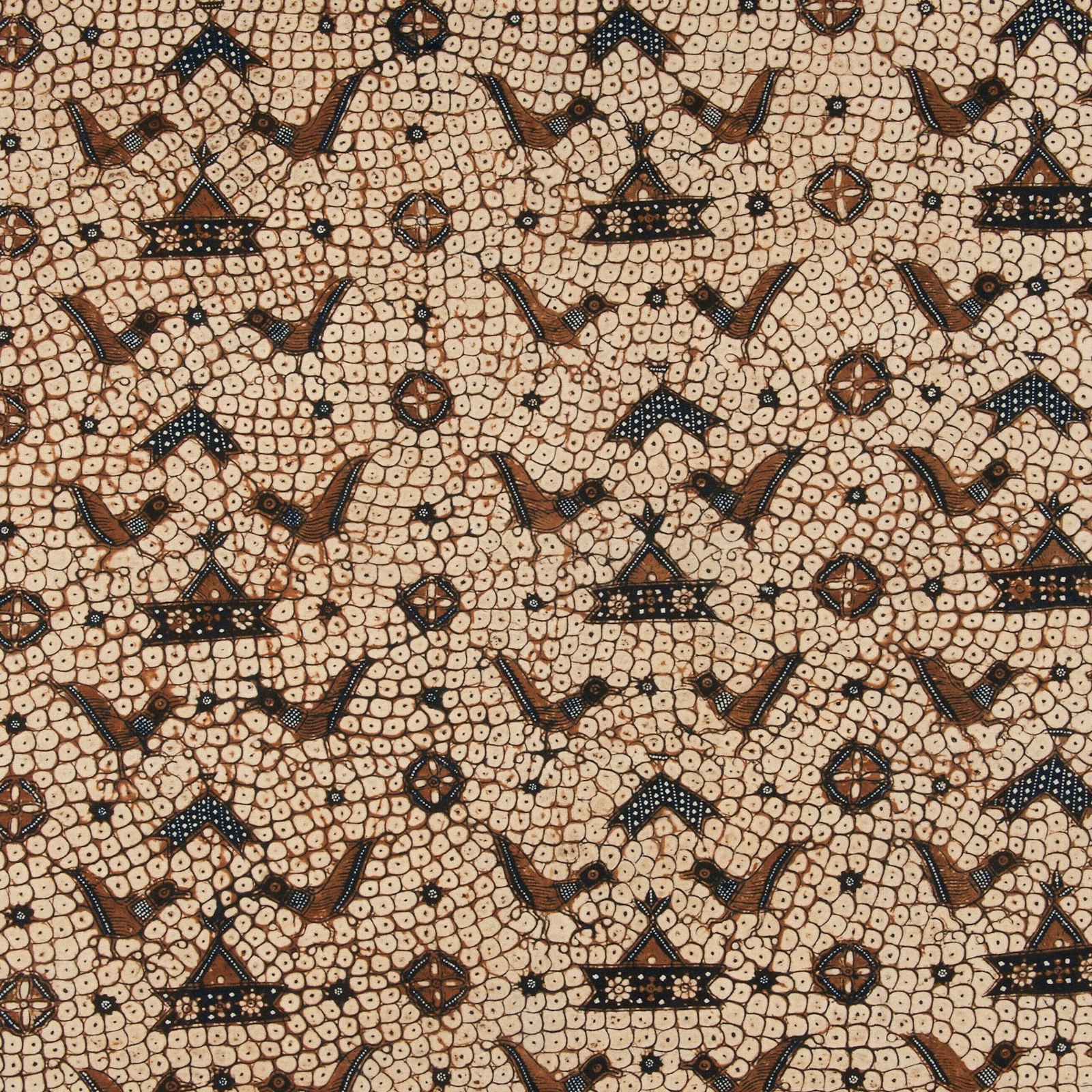
Quick answer: ASEAN can supply batik yardage, ikat, handwoven fabric, scarves, apparel panels, table linens, and textile accessories. Buyers need a defined production method, realistic handcrafted tolerances, textile testing, motif rights, and staged quality control.
Why source this product from ASEAN in 2026
Indonesia offers distinctive batik, ikat, and natural-fiber textile clusters for design-led international collections. The strongest programs preserve authentic workmanship while controlling dimensions, color, performance, and repeatability.
Where to source: ASEAN country comparison
| Country | Strength | Importer note |
|---|---|---|
| Indonesia | Batik, ikat, natural fibers, artisan clusters | Document technique, motif ownership, color range, and acceptable variation |
| Thailand | Silk and cotton handweaving | Strong for premium finished textiles |
| Vietnam | Scaled weaving, printing, and cut-and-sew | Useful for consistent repeat orders |
| Cambodia | Heritage silk and cotton weaving | Allow time for artisan capacity and lot matching |
How to source this category from ASEAN: 6 steps
- Define technique, fiber, dimensions, motif, colors, and tolerances.
- Verify artisan or production-group capacity and material control.
- Approve several representative samples.
- Confirm motif rights, labels, tests, and change control.
- Inspect materials, work in progress, and finished lots.
- Control moisture, packing, origin documents, and delivery.
Frequently asked questions
What is the difference between hand-drawn and printed batik?
Hand-drawn or stamped batik uses manual wax application; printed designs reproduce the visual pattern industrially. State the method in specifications and labels.
How much variation should buyers accept?
Approve tolerances for color, motif placement, weave density, and dimensions using multiple samples.
Which textile tests are important?
Confirm fiber content, colorfastness, dimensional stability, seam performance, restricted substances, and care-label accuracy.
How can motif rights be managed?
Use original or licensed artwork and record approvals; do not assume traditional-looking motifs are free of restrictions.
How should artisan production be scheduled?
Build capacity by group, approve raw materials early, and use staged checks.
What belongs in an RFQ?
Provide technique, fiber, weight, dimensions, motif files, colors, variation limits, tests, packaging, volume, and destination.
Work with TUSKO
TUSKO manages ASEAN sourcing, quality, and shipping through one accountable contact, with pricing built into the landed quote.
Message WhatsApp Business @tuskoconsulting or contact@tuskoconsulting.com — we reply within 12-24 hours.