For Malaysian buyers, Thailand is the closest large manufacturing base with a genuine duty-free route. That combination makes the import-or-manufacture decision less about tariffs and more about volume, control and lead time.
Import or manufacture: the Malaysian answer
Import finished goods when you need to fill a range quickly, volumes are modest, or the Thai factory's standard product is close enough. Manufacture under OEM when your brand, packaging or specification must be yours, or when volume covers tooling within a year.
ATIGA: duty-free with paperwork
Under ATIGA, most goods traded within ASEAN enter Malaysia at 0% with a valid Form D (or e-Form D). This is the single biggest advantage Malaysian buyers hold over EU or US importers.
To protect the benefit:
- Ensure the Thai supplier can issue Form D, not just a commercial invoice.
- Check the origin criterion actually met (RVC 40% or a change in tariff heading).
- Keep BOM and supplier declarations on file for post-clearance audit.
- Remember SST applies on import value even when duty is zero.
Freight: the land option changes everything
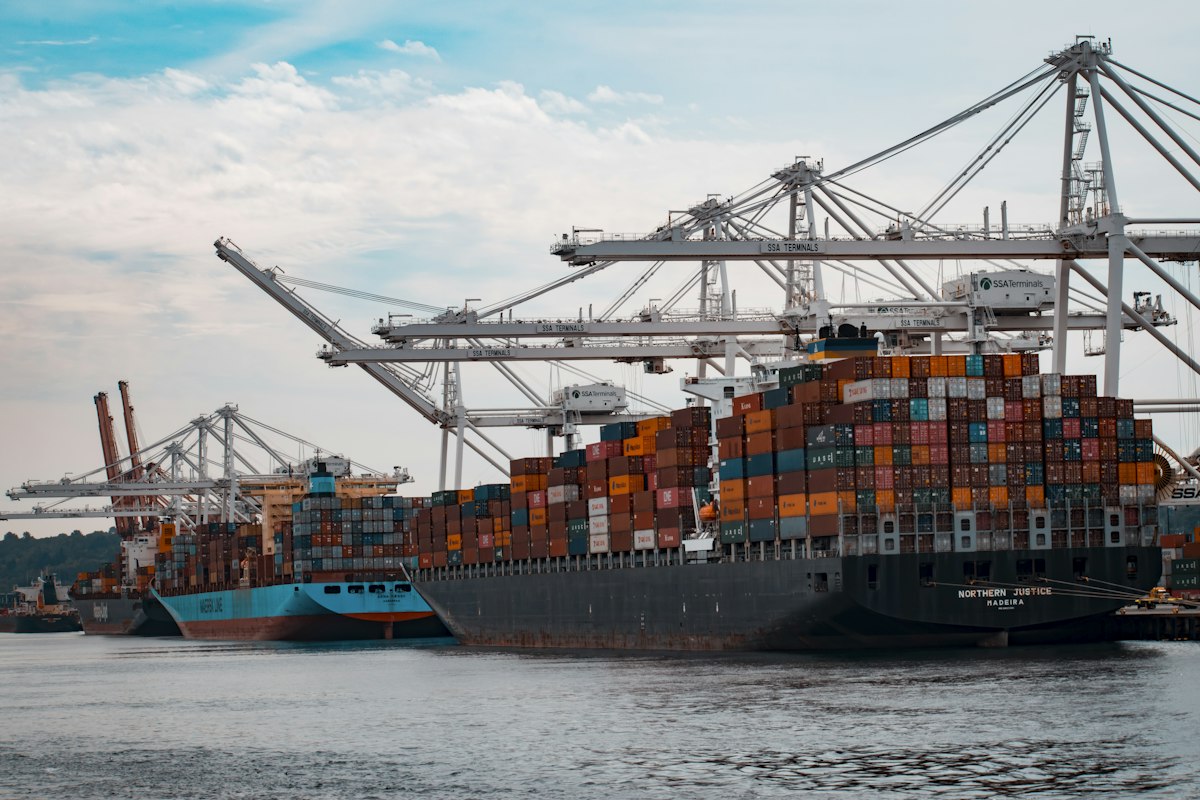
Malaysia is the one market where you can realistically truck from Thailand. Bangkok to Kuala Lumpur by road is typically 2-4 days via Sadao/Bukit Kayu Hitam, versus 5-9 days by sea to Port Klang or Penang.
Choose by profile:
- Road for time-sensitive, medium-volume, higher-value cargo.
- Sea (Laem Chabang to Port Klang or Penang) for heavy, bulky or low-value goods.
- Air only for samples and emergencies.
Short transit means less safety stock, which lowers the working capital penalty of importing finished goods.
Break-even worksheet
If OEM cuts your unit cost by MYR 6 and tooling plus first-article and audit costs total MYR 45,000, you break even at 7,500 units. Add:
- Two rounds of samples and possible tool modification.
- Inspection cost per shipment.
- Your own engineering and management time.
Full method in our break-even guide.
Compliance checkpoints for Malaysia
- SIRIM certification for many electrical and electronic products.
- Halal certification if you target the Muslim consumer market; verify the Thai certifier is recognised by JAKIM.
- KKM/NPRA registration for food supplements, cosmetics and medical devices.
- Labelling in Bahasa Malaysia where required.
Where Thai capacity fits Malaysian demand
Strong clusters in automotive parts, rubber and gloves, plastics, processed food, packaging, metal fabrication and furniture. For Malaysian manufacturers, Thailand is also a natural Tier-2 supply base - see sub-assembly and Tier-2 suppliers.
Frequently Asked Questions
Is import from Thailand to Malaysia duty-free?
Most goods qualify for 0% duty under ATIGA with a valid Form D. SST still applies on the import value, and some sensitive lines remain excluded.
Is trucking from Thailand cheaper than shipping?
For medium volumes and higher-value cargo, road often wins on total cost once you account for faster transit and lower inventory. Heavy or bulky goods usually still favour sea freight.
What volume justifies OEM in Thailand?
Typically 5,000-10,000 units per SKU per year, depending on tooling cost. Run the break-even against your actual per-unit saving before committing.
Do I need SIRIM approval?
Many electrical and electronic products require SIRIM certification before sale in Malaysia. Confirm the requirement early so the Thai factory can build to standard and supply test units.
How do I start?
Send your specification and target volume. We return a verified Thai supplier shortlist, a Malaysia landed-cost model including road and sea options, and an import-versus-OEM recommendation.