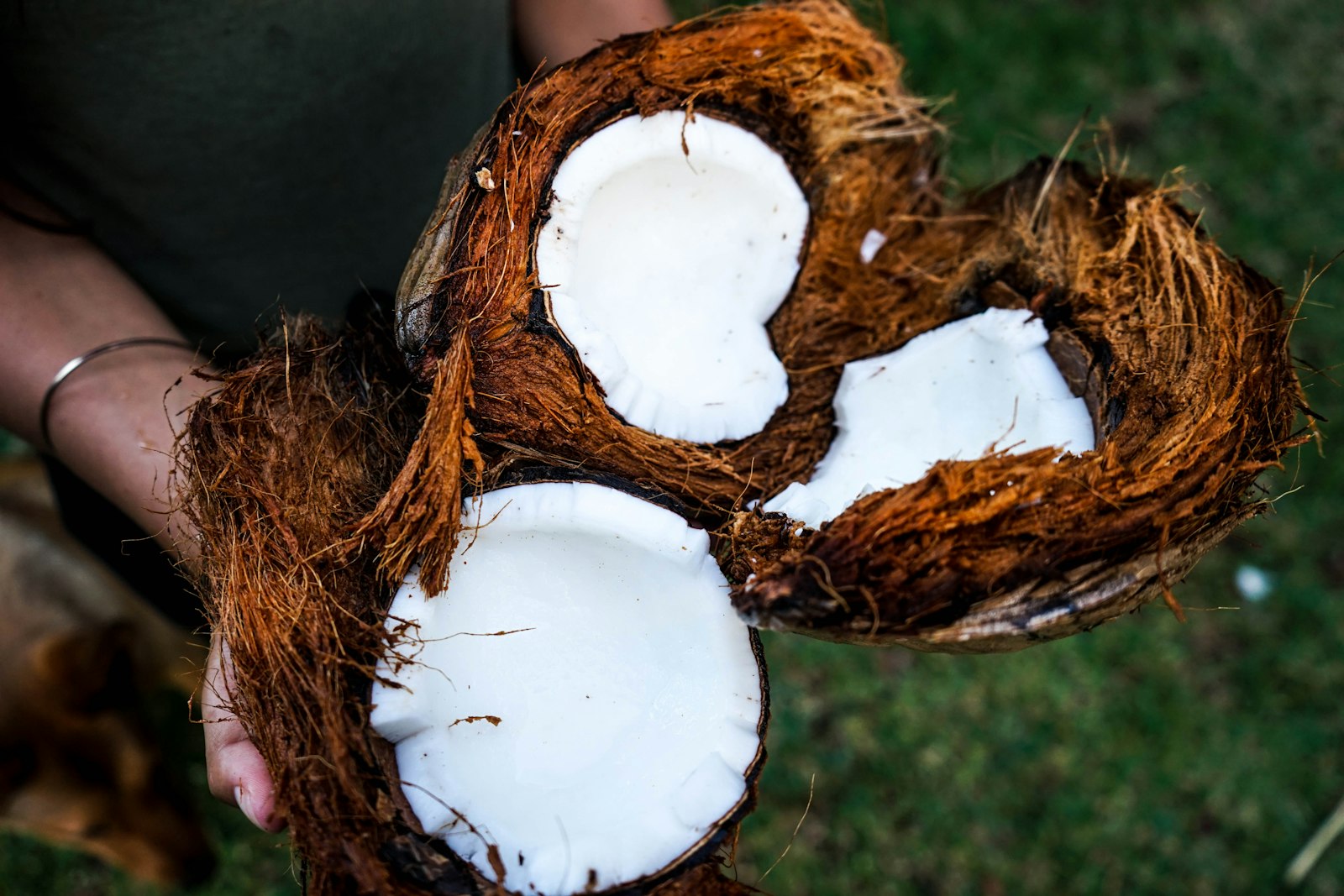
Quick answer: ASEAN can supply coir fiber, coco peat, grow bags, erosion-control netting, mats, brushes, geotextiles, and molded coconut-fiber products. Importers should control moisture, contamination, salinity, treatment, plant-health documents, and compressed-shipping performance.
Why source this product from ASEAN in 2026
The Philippines, Vietnam, and Indonesia combine abundant coconut feedstock with value-added fiber and horticultural processing.
Where to source: ASEAN country comparison
| Country | Strength | Importer note |
|---|---|---|
| Philippines | Coir fiber, mats, and natural-fiber goods | Verify moisture, contamination, grading, and treatment |
| Vietnam | Coco peat, grow bags, substrates | Strong compressed export programs |
| Indonesia | Large coconut base and mixed coir products | Check consistency across processing sources |
| Thailand | Horticultural products and retail packaging | Useful for branded garden assortments |
How to source this category from ASEAN: 6 steps
- Define fiber, substrate, or finished-product specifications.
- Verify drying, cleaning, processing, and treatment capability.
- Approve representative samples and test methods.
- Confirm phytosanitary and destination requirements.
- Test moisture, contamination, dimensions, and performance by lot.
- Use controlled compression, wrapping, loading, and shipping.
Frequently asked questions
Which coir specifications matter most?
For fiber define length, dust, moisture, color, and contamination. For coco peat specify particle size, expansion, pH, conductivity, moisture, and compression.
Does coir require phytosanitary documentation?
Requirements depend on treatment and destination. Confirm plant-health and import-permit conditions before shipment.
How is salt content controlled?
Set an electrical-conductivity method and limit, require washing records, and test each lot.
What tests apply to erosion products?
Define mass per area, tensile strength, mesh opening, dimensions, and biodegradation expectations.
How can container efficiency improve?
Use controlled drying and compression, consistent bale dimensions, and moisture-resistant wrapping.
What should an importer send?
Provide product type, specification, tests, treatment, dimensions, packaging, volume, destination, and intended use.
Work with TUSKO
TUSKO manages ASEAN sourcing, quality, and shipping through one accountable contact.
Message WhatsApp Business @tuskoconsulting or contact@tuskoconsulting.com — we reply within 12-24 hours.