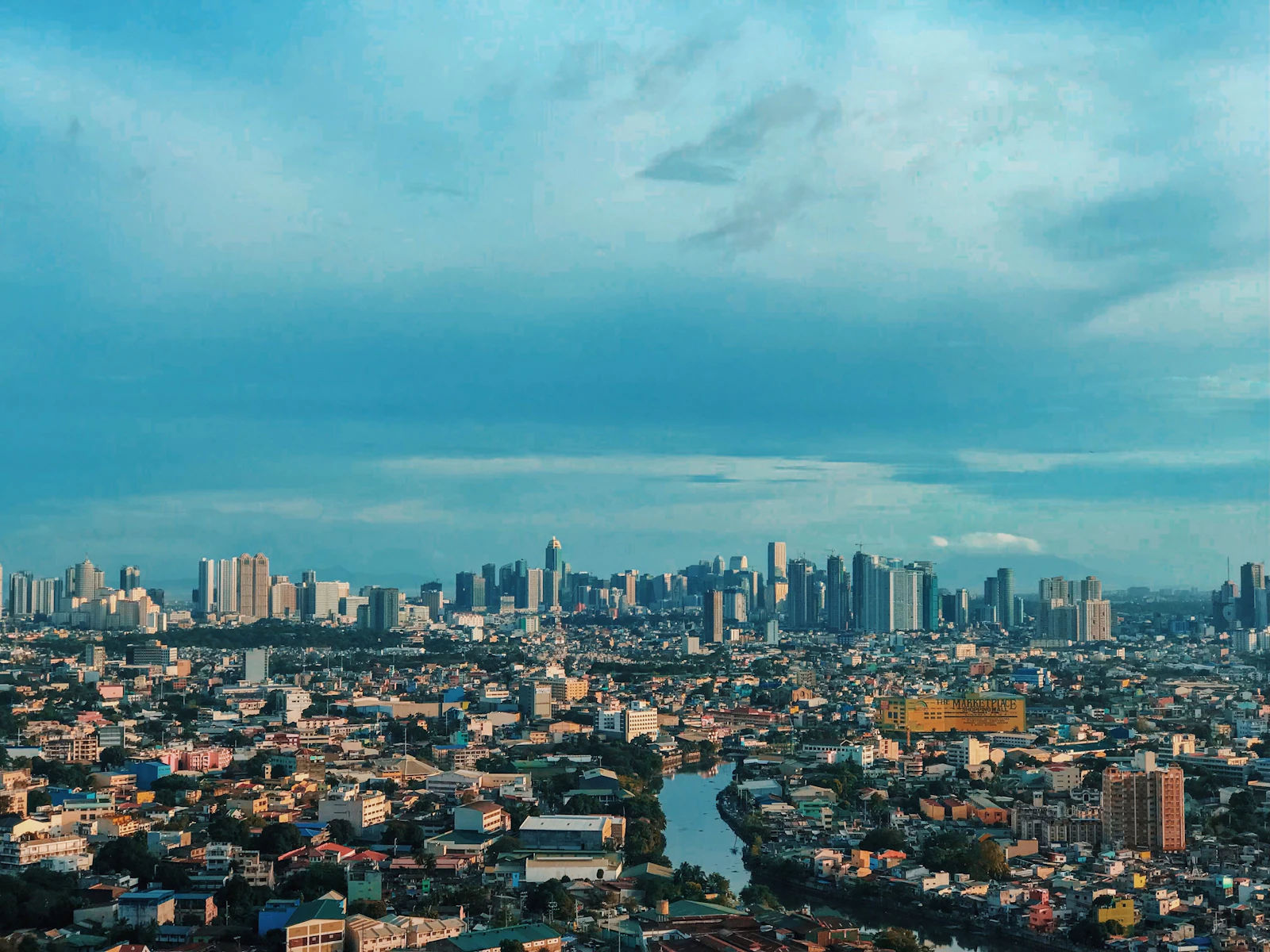
Image disclaimer. This image is for editorial illustration only and is not associated with the actual client, brand, product, or factory referenced in this article. TUSKO protects client confidentiality, and most engagements are covered by NDA.
Philippines vs Thailand Manufacturing 2026
A practical 2026 comparison of the Philippines and Thailand as manufacturing bases for US, EU, UK and AU SME buyers — covering categories, FOB cost, lead.
# Philippines vs Thailand Manufacturing 2026: When Manila Wins for Foreign SME Buyers
Most foreign buyers running a [China Plus One](/blog/china-plus-one-thailand-2026-playbook) playbook end up choosing between Thailand and Vietnam. The Philippines rarely makes the shortlist — and that is a mistake on a specific set of categories.
In 2026, Manila and Cebu are quietly absorbing volume that used to sit in Shenzhen, Dongguan, and parts of Penang. For the **right product** and the **right buyer profile**, the Philippines beats Thailand on landed cost, time-zone overlap with North America, and English-language friction. For the wrong product, it is materially worse. This guide explains exactly where the line sits.
## The honest one-line summary
- **Thailand wins** on automotive Tier-1, precision CNC, rubber and elastomer compounding, stainless food equipment, and any product where supplier density and tooling depth matter more than labour cost.
- **The Philippines wins** on electronics assembly (especially BGA / SMT), semiconductor back-end, wire harnesses, BPO-adjacent hardware, furniture (rattan, wood), and any English-documentation-heavy regulated product (medical, aerospace paperwork, ITAR-adjacent).
If your BOM is mostly metal and your tolerances are tight, stay in Thailand. If your BOM is mostly PCB, cable, plastic enclosure and you need an engineer who can write a clean 8D report in English without a translator, look at the Philippines.
## Category-by-category in 2026
### Electronics & semiconductors
The Philippines is the **#1 ASEAN exporter of semiconductors by value** and the back-end packaging and test base for several global IDMs. Cebu, Laguna (CALABA), and Clark host mature EMS and OSAT players.
- **PCBA / box-build for SME runs (1k–50k units/yr):** Philippines is typically **5–12% cheaper landed** than Thailand once you factor English documentation cost.
- **High-precision passive components, connectors, automotive-grade electronics:** Thailand still wins on supplier ecosystem.
If you are a US hardware startup with a Shenzhen ODM relationship you want to de-risk, Cebu is the most natural next step before Thailand or Vietnam.
### Furniture, rattan, wood
Cebu and Pampanga are world-class for **rattan, abaca, and mixed-media furniture** — the categories European hospitality buyers actually pay premium for. Indonesia competes on teak; the Philippines wins on rattan and design-led mixed materials.
### Apparel and footwear
Not competitive. Stay in Vietnam, Indonesia, or Cambodia for these.
### Automotive and metal
Not competitive at SME scale. Thailand is the [#1 ASEAN destination for industrial manufacturers](/blog/china-plus-one-thailand-number-one-destination) for a reason — supplier density, BOI incentives, port logistics. The Philippines has a small automotive base but it is not a buyer-friendly choice for foreign SMEs.
### Food & beverage equipment, stainless
Vietnam wins (see our [UK stainless from Vietnam playbook](/uk-stainless-equipment-vietnam)). Thailand second. Philippines is a distant third.
## FOB cost: what the numbers actually look like
For a representative SME order — say 5,000 units of a consumer electronics enclosure with PCBA, packaging, and EN/FCC documentation — typical 2026 quotes look like this:
| Origin | FOB unit cost (USD) | Lead time (days) | Min English fluency at PM level |
|---|---|---|---|
| Shenzhen (China) | 18.40 | 35 | Variable |
| Bangkok (Thailand) | 19.10 | 45 | Good |
| Cebu (Philippines) | 17.60 | 40 | Excellent |
| HCMC (Vietnam) | 18.20 | 42 | Fair |
These are directional, not quotes. But the pattern is real: on English-heavy electronics work, the Philippines often lands 3–7% cheaper than Thailand at the SME tier, mostly because you spend nothing on translation, rework, or spec misinterpretation.
## FTAs and tariff math
- **US buyers**: Both Thailand and the Philippines are GSP-eligible on overlapping HS codes (Philippines GSP is currently active; Thailand's reinstatement has been moving). For Section 301-exposed categories, both are valid [China Plus One](/blog/section-301-tariff-workaround-asean-2026) destinations.
- **EU buyers**: Philippines benefits from **GSP+** on a wider product list than Thailand. This is often the deciding factor for EU SME buyers on textile-adjacent and electronics goods.
- **UK buyers**: DCTS Enhanced framework gives the Philippines preferential treatment on most industrial HS lines.
- **AU buyers**: AANZFTA covers both equally.
If you are an EU buyer and the HS line qualifies under GSP+, the Philippines duty advantage alone can be worth more than the FOB difference.
## English, time zones, and the soft costs nobody quotes you
This is where the Philippines is structurally underrated.
- **English fluency**: Engineering and program-management staff in PH factories routinely operate in English without a translator. In Thailand, the engineer who actually understands your tolerance is often not the person on the email thread.
- **Time zone**: Manila is PHT (UTC+8). Workable for both EU mornings and US West Coast late evenings. For a US East Coast buyer doing a daily 30-minute call, PH is roughly the same pain as Thailand.
- **Legal and documentation**: PH commercial law is English-language and US-influenced. Contracts, NDAs, and IP agreements translate cleanly from US templates with minimal local-counsel rework.
For regulated products (medical Class II, aerospace AS9100-adjacent, anything with heavy FDA or EU MDR paperwork), this matters more than 5% on FOB.
## What the Philippines is bad at (be honest about this)
1. **Typhoon and grid risk.** Plan for 2–3% capacity buffer in Q3–Q4 and confirm factory has backup power and a documented business-continuity plan.
2. **Supplier ecosystem depth.** If your BOM needs 40 local sub-vendors, Thailand wins. PH factories often import sub-assemblies from China or Vietnam, which can re-introduce the exact tariff exposure you were trying to escape.
3. **Heavy industry tooling.** Injection mould lead times in PH are longer and pricier than Thailand. If you tool a lot, Thailand or China still wins.
4. **Port congestion at Manila North.** Use Subic, Batangas, or Cebu where you can.
## The qualification stack for PH factories
The same disciplines we apply for [Thai factory audits](/blog/thailand-factory-audit-checklist-2026) transfer, with three PH-specific additions:
1. **SEC verification** — confirm the corporation exists and pull the latest General Information Sheet (GIS) for ownership and paid-up capital.
2. **PEZA / BOI status** — if the factory claims duty-free / tax-holiday treatment, verify the registration number directly against PEZA or BOI public registries. Many small factories overstate their status.
3. **DOLE labour compliance** — request the latest DOLE inspection result. PH labour audits are stricter and more transparent than most ASEAN peers, which is good news for buyers who care about social compliance.
Then run the standard stack: on-site visit, two reference customers, [pre-shipment inspection](/blog/pre-shipment-inspection-thailand-audit-report) on the first three orders, and a paper trail on payment ([30/70 T/T still wins](/blog/how-to-pay-asean-factory-safely-2026)).
## When to pick the Philippines over Thailand: decision rule
Use the Philippines when **at least two** of these are true:
- Your product is electronics-heavy (PCBA, cable, enclosure).
- Your buyer is US East Coast or EU and values English documentation.
- Your annual volume is < 100k units (SME tier).
- Your HS line qualifies for GSP+ (EU) or active GSP (US).
- Your product is regulated and you need clean English paperwork.
Otherwise default to Thailand, with Vietnam as the secondary on stainless and apparel-adjacent goods.
## How TUSKO works PH sourcing
We operate from Bangkok with regional leads across ASEAN. For Philippines sourcing, we cover Cebu, CALABA, and Clark through vetted local audit partners and consolidate everything under a single point of contact — same trading-company model we use for Thailand and Vietnam. You see one landed-cost quote, one invoice, one accountable team.
If you are weighing Thailand vs the Philippines on a specific SKU, send us the drawing or BOM and we will tell you honestly which one wins on landed cost and risk — in writing, before you spend a dollar.
Frequently Asked Questions
When does the Philippines win over Thailand?
For PCBA and BGA-class electronics assembly in Cebu and CALABARZON, for English-language customer service operations, and for GSP+ duty-free entry into the EU. Thailand still wins on automotive, metalwork, and overall ecosystem depth.
Is the Philippines cheaper than Thailand?
On direct labor for assembly, yes — typically 10–20% cheaper. On total landed cost the gap narrows because Philippine domestic logistics is less developed than Thai infrastructure.
What are the main risks of sourcing from the Philippines?
Typhoon-season disruptions (June–November), inter-island logistics complexity, and a smaller supplier base outside electronics and garments. Mitigated with buffer stock and a verified Cebu or Manila-based supplier.
Which Philippine ports do exports ship from?
Manila (MICT and South Harbor) and Cebu (CIP) handle most container exports. Transit to the US West Coast is 18–22 days, EU ports 28–34 days.