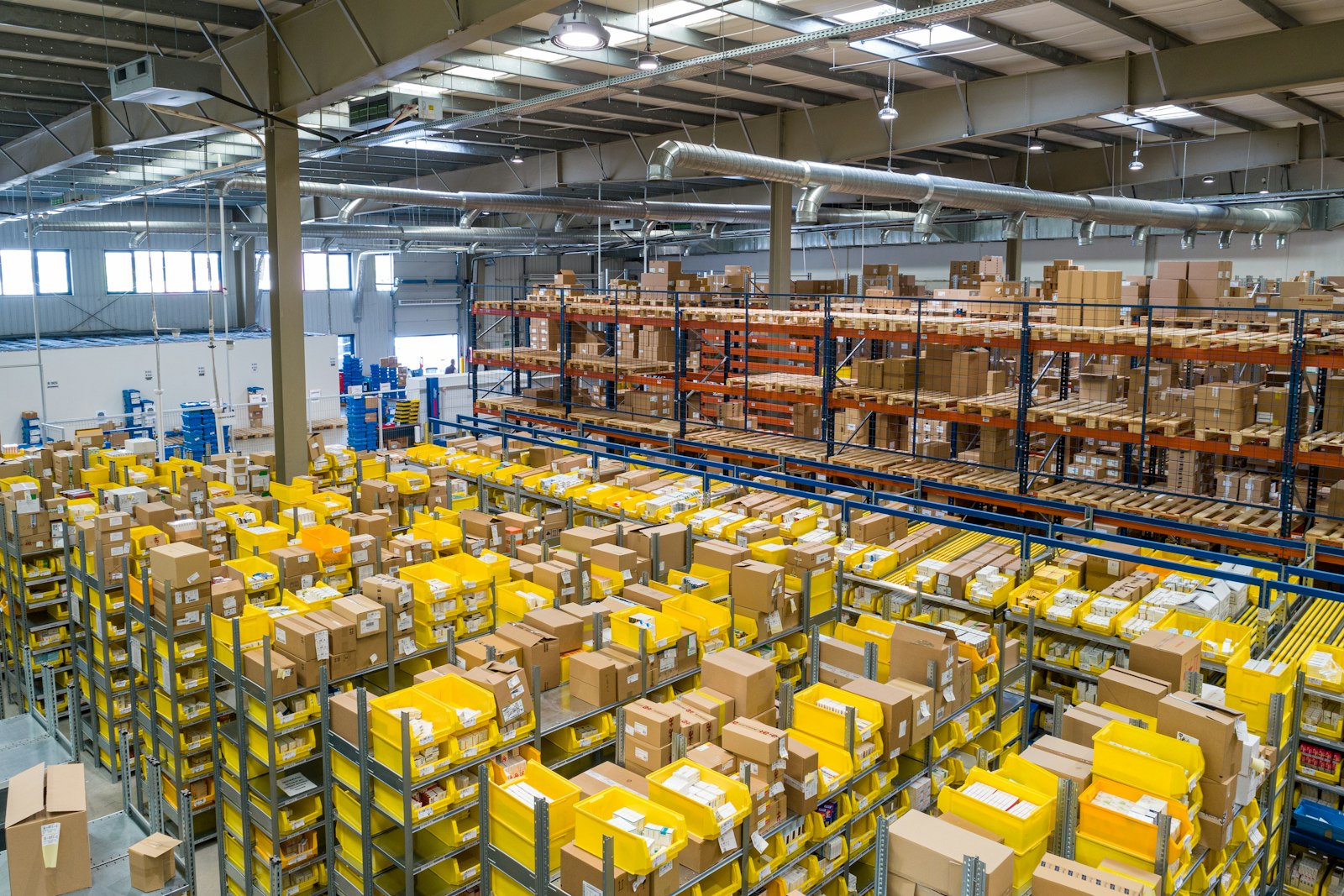
Image disclaimer. This image is for editorial illustration only and is not associated with the actual client, brand, product, or factory referenced in this article. TUSKO protects client confidentiality, and most engagements are covered by NDA.
Pre-Shipment Inspection Thailand: Audit Report
What foreign buyers actually get in a TUSKO pre-shipment inspection and factory audit report in Thailand — AQL sampling, defect classification, photo.
# Pre-Shipment Inspection in Thailand: What a Real Factory Audit Report Looks Like
A **pre-shipment inspection (PSI)** in Thailand is the last checkpoint before goods leave the factory floor and your money leaves your bank. It is also the single most under-used tool by first-time foreign buyers — usually because they don't know what a real PSI report looks like, or they accept a one-page "OK" letter from the factory itself.
This post shows what TUSKO's inspectors actually deliver on a Thailand **factory audit** and PSI, so you know what to demand from any provider you hire.
## When PSI happens in the order timeline
```text
PO -> Tooling -> First Article -> Production -> [PSI here, at 100% packed] -> Container loading -> B/L -> Final payment
```
The inspection is booked when production is **100% complete and at least 80% packed**. Earlier and you can't sample properly; later and the container is already sealed.
## What a TUSKO PSI report contains
Every report we issue in Thailand has nine sections. If your provider is missing any of them, you are not getting a real PSI.
### 1. Order identification
PO number, SKU list, ordered quantity, presented quantity, packed quantity, factory and inspector names, date.
### 2. AQL sampling plan
Sample size per **ISO 2859-1 / ANSI Z1.4**, typically General Inspection Level II with:
- Critical defects: **AQL 0**
- Major defects: **AQL 2.5**
- Minor defects: **AQL 4.0**
For a 5,000-piece order this means inspecting **200 random cartons across the lot** — not "a few off the top of the pallet".
### 3. Quantity verification
Carton count, units per carton, total units, gross and net weights, dimensions vs. packing list.
### 4. Workmanship and visual inspection
Each sampled unit checked against an approved **golden sample** and defect catalog. Defects classified Critical / Major / Minor with quantity counts.
### 5. On-site functional tests
This is product-specific and where most cheap inspections fail. Examples:
- Electrical: hi-pot, ground continuity, current draw, drop test.
- Cosmetics: pH, viscosity, fill weight, leak test on closures.
- Food/pet food: moisture, pack seal integrity, metal detection pass.
- Mechanical parts: critical dimensions with calipers/CMM, torque, fit-to-mating-part.
- Rubber: hardness (Shore A), tensile pull, adhesion peel.
### 6. Packaging and shipping marks
Master carton print, retail packaging, barcodes (scanned against your SKU list), language compliance for destination market.
### 7. Photo evidence
Minimum 40–60 photos: production line, packed cartons, sample units front/back/top/bottom, every defect found, barcode close-ups, shipping marks, container loading area.
### 8. Decision
One of:
- **Pass** — proceed to shipment.
- **Hold** — defects within AQL but specific issues need factory response in writing.
- **Fail** — exceeds AQL; rework or rejection required.
### 9. Recommendations
Clear actions: rework, sort, replace, accept with deduction, or reject. Each tied to evidence in the report.
## What it costs in Thailand (2026)
- Standard PSI, one inspector, one day: **USD 280–420** depending on province.
- During Production Inspection (DUPRO): **USD 350–500**.
- Container Loading Supervision (CLS): **USD 250–350**.
- Full factory audit (the [47-point checklist](/blog/thailand-factory-audit-checklist-2026)): **USD 650–1,200**.
A single rejected container at destination costs USD 8,000–25,000 in demurrage, return freight, and replacement air freight. The math always works.
## Mistakes that make PSI useless
1. **Letting the factory pick the inspector** — even if the inspector is technically third-party, the relationship taints the result.
2. **No golden sample on file** — without it, "looks OK" is the standard, and that is not a standard.
3. **Skipping the rework re-inspection** — when defects are found, the rework needs its own PSI, not a factory email saying "fixed".
4. **Releasing the 70% balance before the report lands in your inbox** — the report is your leverage.
## How to integrate PSI into your process
For recurring orders, write PSI into the master supply agreement: named inspector or agency, AQL levels, who pays (factory pays for the re-inspection after a fail — this concentrates the mind), and the consequence of a Fail (deduction, replacement, termination after N fails).
TUSKO runs PSIs every week across Bangkok, Samut Sakhon, Chonburi, Rayong, Lamphun, and Songkhla. Reports land within 24 hours of the visit, in English, with raw photos available on request.
[Book a pre-shipment inspection](/contact) or [see our full service list](/services).
---
*TUSKO Consulting — pre-shipment inspection and factory audits across Thailand. Updated June 2026.*
Frequently Asked Questions
What does a pre-shipment inspection actually check?
Quantity verification, AQL-based defect sampling, packaging and labelling conformity, carton drop test, and a final photo and video record. Run before the balance payment is released.
How much does a pre-shipment inspection cost in Thailand?
USD 250–500 per man-day for major firms (SGS, BV, Intertek). Most orders need 1 inspector-day; large or complex orders may need 2–3.
What AQL level should I specify?
For general consumer goods: AQL 2.5 for major defects, 4.0 for minor. For safety-critical industrial goods: AQL 1.0 for major. Always state the AQL in your PO.
Can the inspector hold the shipment if defects exceed AQL?
Only if you instruct them to in writing before inspection. Standard practice is a 'fail' report that triggers a rework conversation between you and the factory.