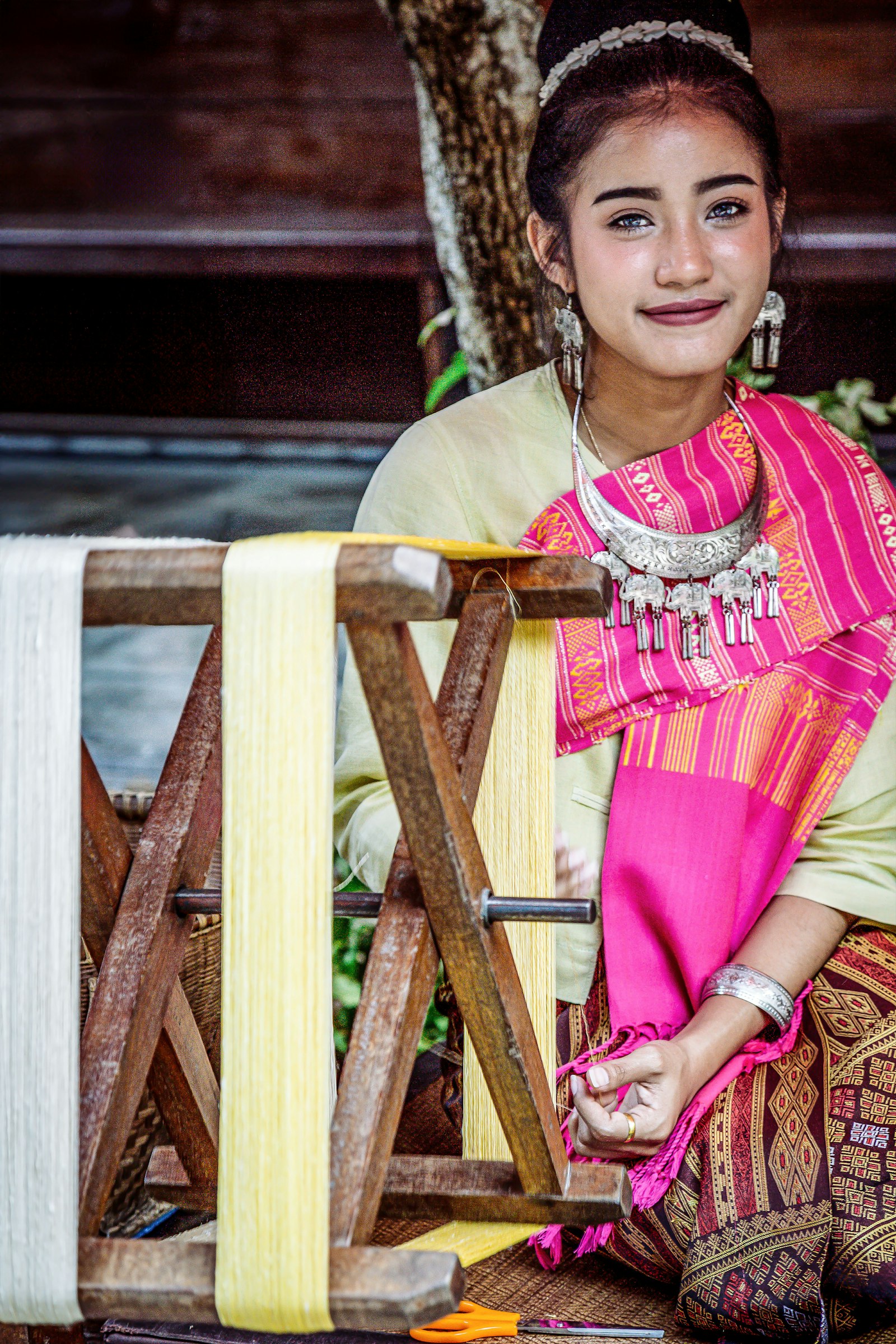
Quick answer: ASEAN can supply mulberry silk yardage, silk blends, scarves, apparel textiles, cushion covers, and decorative home textiles for buyers in the US, Canada, Europe, the UK, Australia, and New Zealand. The right sourcing route depends on a controlled product specification, documented material origin, destination-market compliance, representative sample approval, and inspection before shipment.
Why source this product from ASEAN in 2026
International buyers are evaluating silk textiles from ASEAN to diversify supply and build a dependable second country of origin. Country selection should follow the product process, required certifications, order size, material ecosystem, and destination-market rules—not headline unit price alone.
Where to source: ASEAN country comparison
| Country | Strength in this category | Notes for importers |
|---|---|---|
| Thailand | Mulberry silk, handwoven textiles, and design-led finished goods | Confirm fiber composition, weave consistency, dye performance, and care labeling |
| Vietnam | Silk yardage and cut-and-sew textile production | Useful for programs combining fabric development with scaled garment assembly |
| Indonesia | Artisanal weaving and natural-dye textile collections | Strong fit for limited collections requiring detailed workmanship controls |
| Cambodia | Handwoven silk and small-batch heritage textiles | Plan longer sampling cycles and document repeatability requirements |
How to source this category from ASEAN: 6 steps
- Lock the specification. Define materials, dimensions, performance, compliance, packaging, labeling, and acceptance criteria.
- Build a qualified shortlist. Verify relevant process capability, export experience, quality systems, capacity, and documentation.
- Approve representative samples. Test samples and retain an approved reference.
- Set commercial and quality terms. Document approved inputs, change control, defect handling, lead time, and inspection rights.
- Control production. Use material checks, production controls, lot testing, and pre-shipment inspection.
- Manage export and delivery. Confirm HS classification, certificates, labels, packing, freight, and import requirements.
Frequently asked questions
How can buyers verify genuine silk?
Specify fiber composition and require laboratory fiber-identification testing. Retain sealed reference samples and compare production lots.
Which tests matter for silk textiles?
Common checks include fiber content, colorfastness, dimensional stability, seam strength, pilling, restricted substances, and appearance.
What labeling details should importers confirm?
Confirm fiber percentages, country of origin, care instructions, responsible-party details, and destination-specific textile labeling.
Can natural dyes be standardized?
Set an approved color range, light source, wash method, and lot-control procedure rather than relying only on a digital reference.
How should silk be packed for export?
Use clean inner protection, humidity control, crease-resistant folding, and cartons that prevent crushing or water exposure.
What information is needed for a quotation?
Send fiber composition, fabric weight, weave, width, color standards, tests, dimensions, packaging, quantity, and destination.
Work with TUSKO
TUSKO is your single sourcing and trading partner across ASEAN. We qualify production partners, negotiate, control quality, and manage shipping end-to-end. You place orders through TUSKO—one accountable contact from sample to delivery, with tiered pricing built into the landed quote as volumes grow.
Message us on WhatsApp Business @tuskoconsulting or email contact@tuskoconsulting.com — we reply within 12-24 hours with a sourcing plan and indicative pricing.