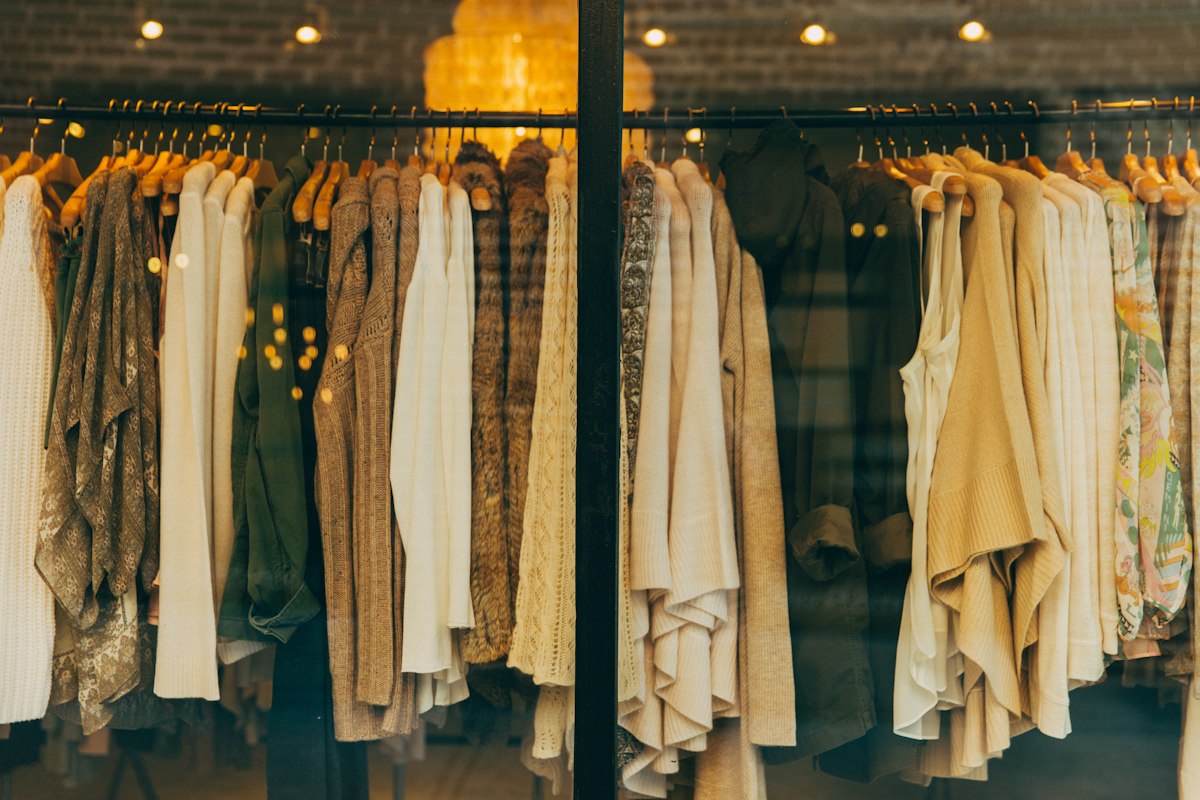
Quick answer: ASEAN offers manufacturing and export options to evaluate for clothes hangers supplied to importers, distributors, retailers, and project buyers in the US, UK, EU, Canada, Australia, and New Zealand. A reliable program starts with destination-market requirements, a controlled specification, representative samples, documented verification, and a complete landed-cost comparison—not headline unit price alone.
Why source clothes hangers from ASEAN in 2026
- Evaluate the relevant country options below by demonstrated process capability, material access, testing and export documentation—not national reputation alone.
- Buyers can develop standard, private-label, and specification-led ranges through one coordinated program.
- Performance, compliance, packaging, and destination requirements should be fixed before commercial comparison.
Country comparison: where to source clothes hangers
| Country | Manufacturing strength | Buyer consideration |
|---|---|---|
| Vietnam | Woodworking, metal forming and molded consumer products | Control wood moisture, hook retention and dimensional consistency. |
| Thailand | Injection molding and formed metal components | Verify resin grade, recycled inputs and mold-cavity variation. |
| Indonesia | Wood products and sewn-goods support supply chains | Confirm legal wood sourcing, finish safety and export packing. |
How to source clothes hangers from ASEAN: 6 steps
1. Define the product and destination requirements
Prepare a controlled specification for clothes hangers covering dimensions, materials, performance, finish, packaging, labeling, destination rules, and approval tests. Separate mandatory requirements from preferences so every offer is compared on the same basis.
2. Build a qualified manufacturing shortlist
TUSKO screens the relevant production processes, equipment, capacity, quality controls, export experience, traceability, and document capability. The buyer works through TUSKO as the single point of contact throughout the program.
3. Compare samples against one approval standard
Use controlled drawings, measurable acceptance criteria, an approved master sample, and a documented change process. Functional testing should reproduce intended use rather than rely on photographs or appearance alone. For clothes hangers, sample approval should cover material and the most consequential failure modes listed below.
4. Confirm testing and compliance evidence
Map applicable destination-market standards, test methods, declarations, warnings, and batch records before production. Verify that every report matches the exact material, model, construction, and production site used for the order. Wood treatment, restricted substances and consumer-safety requirements depend on material and destination; ordinary garment hangers should not be treated as PPE or toys.
5. Lock the commercial and quality plan
Confirm quantity tiers, approved materials, tooling where relevant, inspection points, packaging, production timing, shipping terms, and complete landed price through TUSKO before release.
6. Inspect, load, and retain batch records
Complete pre-shipment checks against the approved specification, verify labels and cartons, supervise loading where needed, and retain traceable records for receiving, service, and repeat orders.
Product-specific quality checklist
Material, overall width, shoulder profile, hook gauge and rotation, load rating, creep, clip grip, burr limits, finish adhesion, flock shedding, wood moisture and nesting dimensions. Turn these attributes into agreed methods, sample sizes, tolerances and pass/fail limits before production. Test the final SKU and retain approved samples and lot records.
Destination-market caution: Wood treatment, restricted substances and consumer-safety requirements depend on material and destination; ordinary garment hangers should not be treated as PPE or toys.
Frequently Asked Questions
How do buyers specify hanger strength?
State garment load, loading duration, temperature and permitted deflection. Add hook pullout and long-term creep tests for the actual construction.
What makes wooden hangers consistent?
Control species, moisture, joint construction, sanding and finish. Inspect for splinters and compare shoulder profiles with an approved master.
Can plastic hangers contain recycled resin?
Yes where the grade is suitable, traceable and consistent. Verify impact strength, creep, odor and color rather than accepting recycled content as a performance guarantee.
How are clips evaluated?
Test grip on representative fabrics, spring endurance and marks or damage after use. Protect pinch points and sharp metal edges.
How can freight cost be reduced?
Compare nested packing, hook orientation, carton strength and actual container loading. Include breakage and unpacking requirements in the cost comparison.
Which wood-import checks apply?
Check legal-source documentation, destination restrictions and any applicable treatment or biosecurity requirements. Solid-wood packaging requirements are separate from the finished product.
Related sourcing resources
Compare your landed-cost assumptions, explore ASEAN sourcing options, or review the ASEAN import workflow.
Work with TUSKO
Send TUSKO your specification, destination market, target quantity, required timing, and current benchmark. TUSKO coordinates qualification, samples, quality controls, consolidated commercial terms, and delivery as your single point of contact.
WhatsApp Business: @tuskoconsulting — contact TUSKO by WhatsApp or email
Email: contact@tuskoconsulting.com
Reply within 12-24 hours.