Multi-category buyers who import or manufacture from ASEAN usually discover the same problem in their second season: the products are fine, but they arrive separately. Four factories, four schedules, four partial shipments, and a collection that cannot be merchandised until the last box lands. Consolidation fixes it, and it is mostly an operating discipline rather than a freight trick.
What consolidation actually is
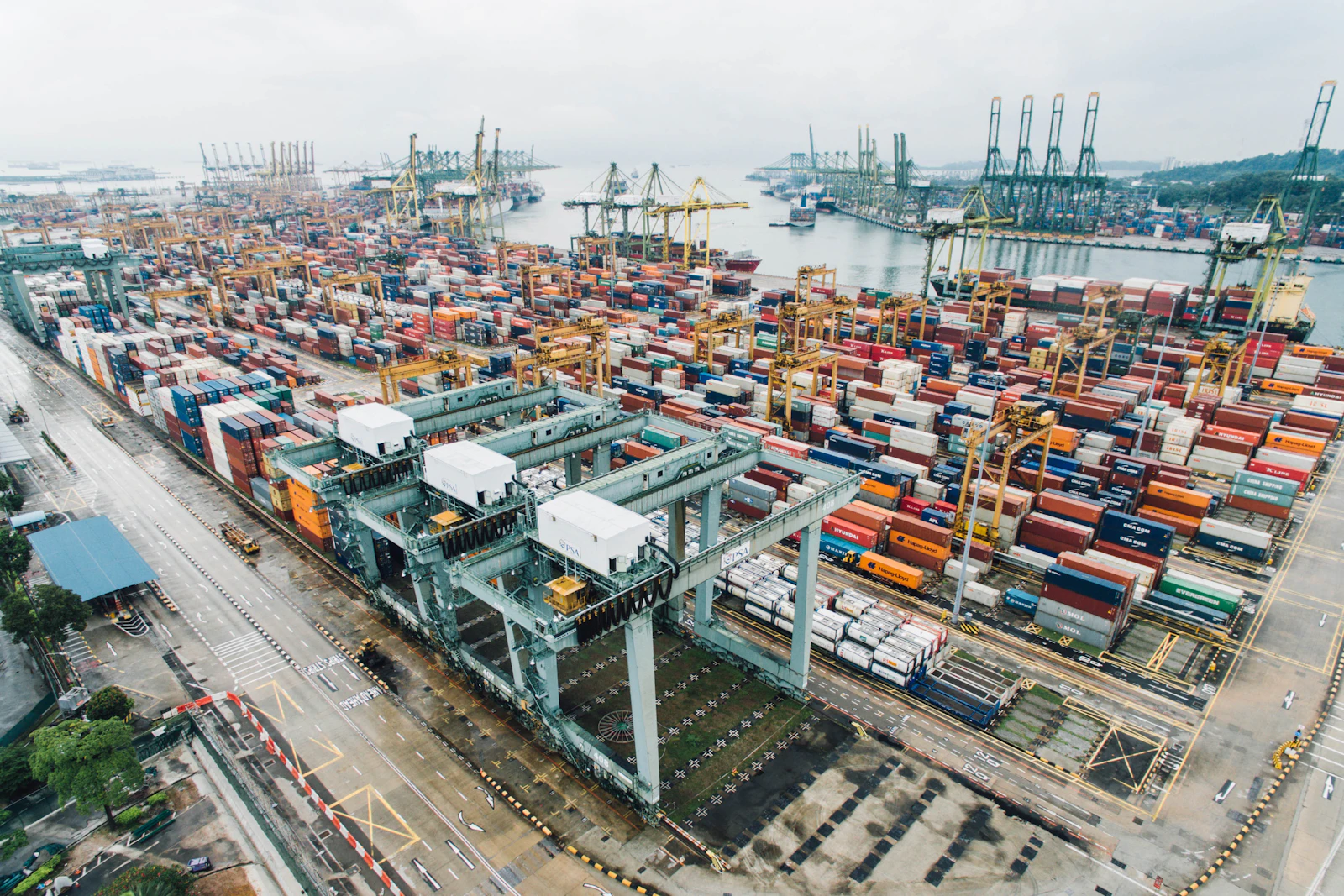
Goods from several factories — potentially in Thailand, Vietnam, Indonesia and Malaysia — are delivered to one warehouse near the export port. There they are received against the purchase order, inspected, re-palletised, and loaded as a single full container load. One bill of lading, one arrival, one customs entry, one delivery to your warehouse.
Why it usually costs less
Three effects compound:
- LCL avoidance. Less-than-container shipments carry disproportionate handling and destination charges. Two or three LCL lots frequently cost more than the FCL they would have filled together.
- Cube optimisation. Bulky-light goods and dense-heavy goods loaded together fill both weight and volume capacity, which no single-category shipment does well.
- Single-entry customs. One entry, one brokerage fee, one set of documents instead of several.
The savings vary by lane and mix, but the operational gain — complete collections arriving together — is usually worth more than the freight line itself.
The inspection advantage
The consolidation warehouse is the last controllable point before the container closes, and that makes it the right place to inspect. Cartons can be opened, quantities counted against the packing list, workmanship checked against the sealed golden sample, labelling and barcodes verified, and drop testing performed at real shipping weight. Anything wrong is a factory conversation instead of a claim filed six weeks later on the other side of the world.
Documentation to get right
- Commercial invoice and packing list per factory, consolidated into one shipment set without losing line-item traceability.
- Certificates of origin per factory, because preferential duty under ATIGA, EVFTA, RCEP or CPTPP is claimed per goods line, not per container.
- HS classification per SKU — mixed containers cross several duty rates and a single misclassification can trigger a full-shipment hold.
- Marking and labelling appropriate to the destination market, verified before loading.
- Load photographs and container seal number recorded at closing.
Planning cadence that makes it work
Consolidation only works if factory ready-dates are managed, so treat the vessel booking as the fixed point and work backwards: production complete at each factory five to seven days before the consolidation cut-off, inspection window scheduled, and any rework absorbed before cut-off. A factory that is habitually late does not just delay its own goods — it holds the container.
When not to consolidate
If one category is urgent and small, air freight it separately rather than delaying a full container. If two categories have wildly different seasonality, run two programs. Consolidation is a tool for synchronised assortments, not an ideology.
How TUSKO runs consolidation
TUSKO acts as an industrial consulting and trading team and your single point of contact in ASEAN. We hold the ready-date calendar across your factories, inspect at the consolidation warehouse before loading, prepare the shipment and origin documentation, and deliver one invoice per shipment. Our fee is built into the price of each order — no separate retainer.