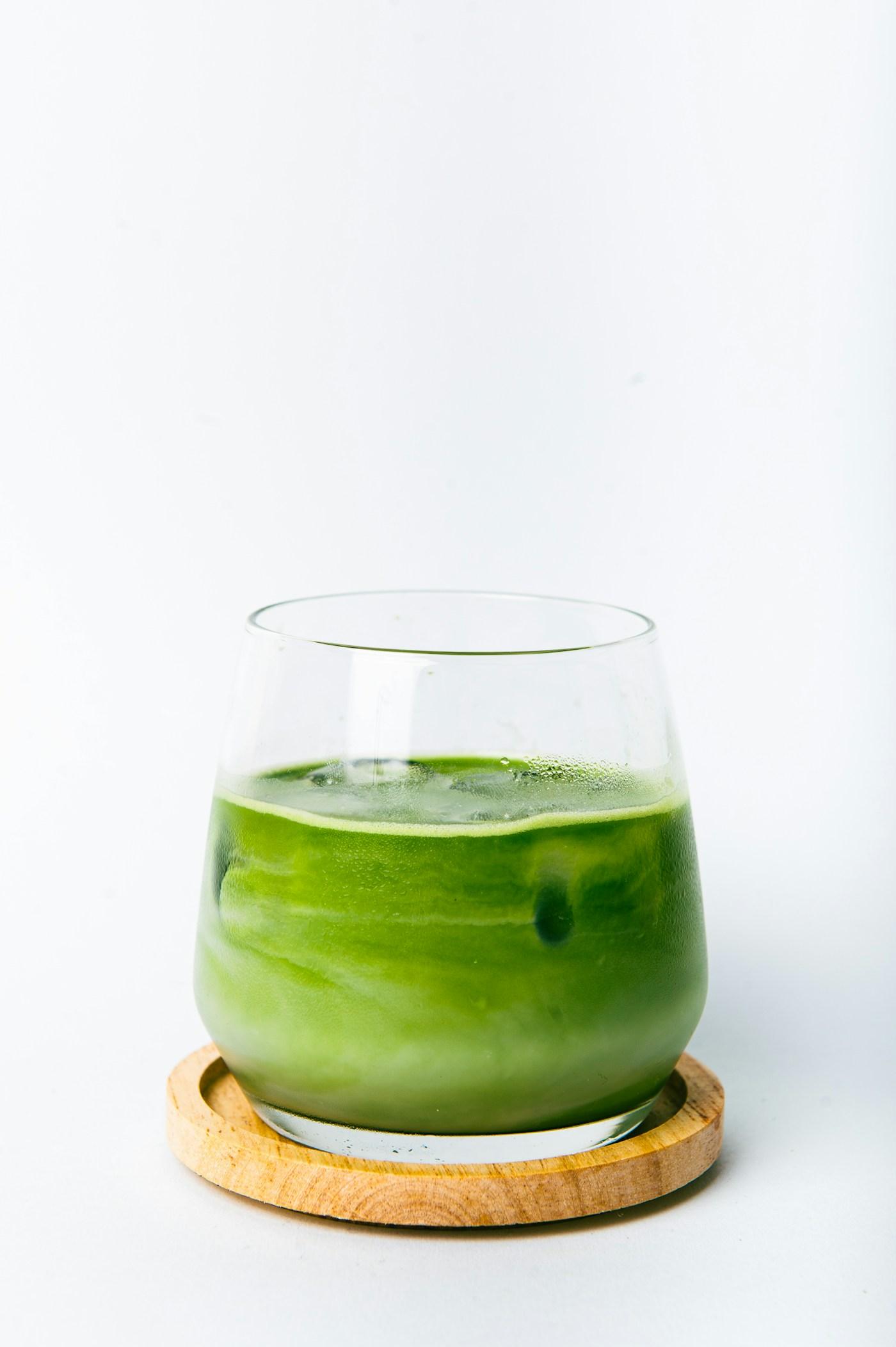
Cover context: This Unsplash photograph shows a drink on a wooden coaster; it is not an approved TUSKO production sample.
Quick answer: Importers can evaluate drink coasters & table protectors manufacturing and export from ASEAN through a specification-led program. For reusable household drink mats intended to protect furniture surfaces, compare demonstrated capability in die cutting, moulding, woodworking or ceramic forming with printing and backing application, control controlled cork, wood, silicone, ceramic or textile construction with approved underside and surface finish, and verify the finished product for its intended destination. TUSKO coordinates qualification, samples, commercial terms and delivery as your single point of contact. This guide covers buyers in the US, UK, EU, Canada, Australia and New Zealand; national origin alone is not evidence of quality, compliance or a lower landed cost.
Why source drink coasters & table protectors from ASEAN in 2026
ASEAN is a region to evaluate for diversification, not a guarantee that any selected site can produce the required product. Begin with the actual manufacturing route: die cutting, moulding, woodworking or ceramic forming with printing and backing application. Establish which operations are performed in-house, how incoming materials are identified, and how subcontracted processes are controlled. The practical goal is a repeatable specification and accountable order execution, rather than a country label on a quotation.
- Compare stock designs, private-label adaptations and custom construction separately; their sampling and approval requirements differ.
- Use the same acceptance criteria across candidate production routes so quoted prices reflect the same product.
- Evaluate destination documentation, packing and repeat-order controls together with functional performance.
SKU architecture: individual drink mats versus gift sets
Define cup footprint, coaster thickness, backing and set contents. A holder changes packing, surface-contact checks and component count. Porous cork, absorbent ceramic, sealed wood and silicone require different cleaning methods, and a claim for one material should not be transferred to another. Agree the furniture surfaces and drink conditions used for qualification. If printing is part of the offer, test the finished decoration with heat and moisture. Do not imply protection from hot cookware or from all stains when the actual scope is a drink mat beneath a cup.
Build an RFQ matrix with a separate row for each drink coasters & table protectors SKU: construction, dimensions, colour or finish, permitted variations, packing, inspection method and evidence required. Identify which features are mandatory and which are options. TUSKO uses this controlled brief to compare relevant production routes and coordinate approvals; buyers do not need to manage multiple manufacturing contacts. Keep the matrix updated when samples change, and avoid releasing a purchase order against a visual reference that conflicts with the written acceptance criteria.
Country comparison: where to source drink coasters & table protectors
The following are sourcing routes to investigate, not verified endorsements of every manufacturer in these countries. TUSKO qualifies the specific production site and material chain before order approval. Where a required process or material is imported, account for its effect on scheduling and origin evidence.
| Country | Manufacturing route to evaluate | Buyer qualification focus |
|---|---|---|
| Vietnam | Evaluate die cutting, moulding, woodworking or ceramic forming with printing and backing application capability for drink coasters & table protectors; verify the actual equipment, input materials and approved construction. | Heat and moisture: Assess the intended cup temperature, condensation and spill conditions. Review staining, warping, swelling and transfer to representative table finishes. Country selection alone does not establish this capability. |
| Thailand | Evaluate die cutting, moulding, woodworking or ceramic forming with printing and backing application capability for drink coasters & table protectors; verify the actual equipment, input materials and approved construction. | Base grip: Check slipping, backing adhesion and marking during wet and dry use. Avoid assuming one underside is safe on every furniture coating. Country selection alone does not establish this capability. |
| Malaysia | Evaluate die cutting, moulding, woodworking or ceramic forming with printing and backing application capability for drink coasters & table protectors; verify the actual equipment, input materials and approved construction. | Absorbency and cleaning: Where absorbency is claimed, use a defined liquid and method. Match cleaning instructions to materials and retain results after repeat use. Country selection alone does not establish this capability. |
How to source drink coasters & table protectors from ASEAN: 6 steps
1. Define the product and destination requirements
Write a controlled brief for reusable household drink mats intended to protect furniture surfaces. Specify controlled cork, wood, silicone, ceramic or textile construction with approved underside and surface finish, usable dimensions, appearance, functional limits, artwork and packing. Separate legal obligations from retailer preferences. Define who approves samples and which changes require renewed approval; a reference photograph is useful, but it is not a measurable acceptance standard.
2. Build a qualified manufacturing shortlist
TUSKO reviews the relevant die cutting, moulding, woodworking or ceramic forming with printing and backing application operations, equipment, capacity and quality records. Check that the proposed construction can be produced consistently, not merely that a showroom sample exists. Material traceability, inspection records and control of outsourced work matter when a small construction change affects performance. The buyer remains in contact with TUSKO throughout.
3. Compare samples against one approval standard
Use representative samples and methods covering heat and moisture, base grip, absorbency and cleaning. Record sample identity, test conditions and results. An attractive handmade sample does not prove production repeatability. Approve a master reference and a written specification; if they conflict, resolve the conflict before releasing production.
4. Confirm testing and compliance evidence
Coasters beneath cups are not automatically direct food-contact articles or trivets for cookware. Claims about heat resistance, stain prevention and furniture protection need defined use limits and evidence. Build an evidence matrix identifying the requirement, affected material or component, test or review method, responsible party and required record. Reports should match the SKU and construction being purchased. Do not assume a certificate from a different model or material covers the order.
5. Lock the commercial and quality plan
Confirm quantity by SKU, colour and packaging variant, approval dates, inspection gates and shipping terms through TUSKO. Separate an indicative schedule from an agreed release plan. Avoid promising minimum quantities, tooling cost or lead time before the specification and material route are assessed. All commercial comparison should use complete order pricing and clear inclusions.
6. Inspect, load and retain batch records
Inspect the production batch against the approved drink coasters & table protectors specification and agreed sampling plan. Check product identity, functional checks, labels, carton counts and shipping condition. Sampling can identify defects but cannot replace required safety verification. Retain inspection results, material records, approved artwork and lot references for receiving and replenishment.
Product-specific quality checklist
Translate the following checks into a method, sample size, conditioning procedure, numerical tolerance where relevant, and documented pass/fail decision. Keep cosmetic grading separate from safety and functional acceptance. Test the final assembled construction and packed retail configuration rather than isolated materials alone.
| Control point | What to verify | Evidence to retain |
|---|---|---|
| Heat and moisture | Assess the intended cup temperature, condensation and spill conditions. Review staining, warping, swelling and transfer to representative table finishes. | Identified construction and sample, agreed method and conditions, recorded result, pass/fail decision and corrective action. |
| Base grip | Check slipping, backing adhesion and marking during wet and dry use. Avoid assuming one underside is safe on every furniture coating. | Identified construction and sample, agreed method and conditions, recorded result, pass/fail decision and corrective action. |
| Absorbency and cleaning | Where absorbency is claimed, use a defined liquid and method. Match cleaning instructions to materials and retain results after repeat use. | Identified construction and sample, agreed method and conditions, recorded result, pass/fail decision and corrective action. |
| Dimensions and flatness | Confirm usable footprint, thickness, flatness and stacking. An uneven ceramic or warped wood coaster can destabilise the intended cup. | Identified construction and sample, agreed method and conditions, recorded result, pass/fail decision and corrective action. |
| Printing and sets | Check decoration durability, colour matching and set counts. Test ink or coating transfer under heat and moisture in the finished item. | Identified construction and sample, agreed method and conditions, recorded result, pass/fail decision and corrective action. |
Destination-market caution: Coasters beneath cups are not automatically direct food-contact articles or trivets for cookware. Claims about heat resistance, stain prevention and furniture protection need defined use limits and evidence.
Export documents and destination-market checks
Prepare the commercial invoice, packing list and transport document with consistent product descriptions, quantities and origin information. Confirm tariff classification for the exact construction with a qualified customs adviser; one broad product label can cover multiple classifications. Preferential duty treatment depends on the applicable agreement, origin rules and supporting documents, not simply shipment from an ASEAN port.
For EU consumer products, review the General Product Safety Regulation and any category-specific rules, including traceability and the responsible economic operator where applicable. Review category-specific obligations according to the actual construction, intended use and claims. In the US, identify the applicable product rules and whether a General Certificate of Conformity or children’s-product requirements apply; not every adult household product needs the same certificate. UK, Canadian, Australian and New Zealand obligations should be checked separately rather than inferred from EU paperwork.
Landed-cost comparison and repeat-order control
Compare drink coasters & table protectors on the same materials, performance and pack configuration. Include product and packaging, freight, insurance where agreed, duty, clearance, testing and relevant destination charges. State the currency, shipping term and assumptions. Do not apply a single tariff percentage to all destinations or advertise guaranteed savings without a comparable benchmark.
Carton cube, breakage risk, receiving failures and replenishment consistency can change the economics of an apparently cheaper item. Record carton dimensions and units, assess container or parcel utilisation, and keep the benchmark like-for-like. TUSKO provides one coordinated commercial proposal with the agreed order inclusions, rather than asking the buyer to manage separate manufacturing contacts.
For repeat orders, preserve the approved controlled cork, wood, silicone, ceramic or textile construction with approved underside and surface finish, material and hardware references, artwork, test criteria and packing plan. Define what happens if an input becomes unavailable. Review substitutions before production; a similar-looking replacement can behave differently in use or require updated evidence.
Frequently Asked Questions
Which coaster material should an importer choose?
Start with the intended temperature, condensation, cleaning and appearance. Compare complete constructions and backing rather than assuming cork, silicone or ceramic is universally superior.
Are coasters suitable for hot pans?
Do not assume so. A drink coaster and cookware trivet can face different temperatures and loads; qualify the stated use and avoid extending a cup-use claim to hot cookware.
How is a non-scratch claim evaluated?
Test the underside under representative loading on the surfaces named in the claim, including debris and moisture conditions where appropriate. No limited test proves compatibility with every furniture finish.
Can absorbent coasters be washed?
Validate the proposed washing method for the actual material and decoration. Some constructions retain moisture, swell, crack or lose backing when immersed or machine washed.
What matters for promotional printing?
Artwork fidelity, adhesion and resistance to heat, rubbing and moisture should be assessed together. Confirm the finished printing system, not merely a digital artwork approval.
How does TUSKO coordinate mixed coaster sets?
TUSKO controls material, size, artwork, set composition, inspection and packing through one contact. Provide destination, quantity by design and required claims before sample qualification.
Sources and scope
Official starting points include the EU General Product Safety Regulation and US CPSC guidance on General Certificates of Conformity. Confirm which rules apply to the exact finished product; neither source is evidence of a particular manufacturer’s capability. This is procurement guidance, not legal advice, a confirmed quotation or a guarantee of regulatory approval. Requirements in the UK, Canada, Australia and New Zealand must be checked separately.
Related sourcing resources
Compare landed-cost assumptions, explore ASEAN product options, or review the ASEAN import workflow.
Work with TUSKO
Send TUSKO your drink coasters & table protectors brief, intended use, destination, quantity by SKU, target timing, packaging and current benchmark. TUSKO coordinates production qualification, samples, documented quality controls and delivery through one point of contact. The first useful output is a clear specification and sourcing plan, followed by a proposal based on the approved requirements.
WhatsApp Business: @tuskoconsulting — contact TUSKO by WhatsApp or email
Email: contact@tuskoconsulting.com
Reply within 12-24 hours.