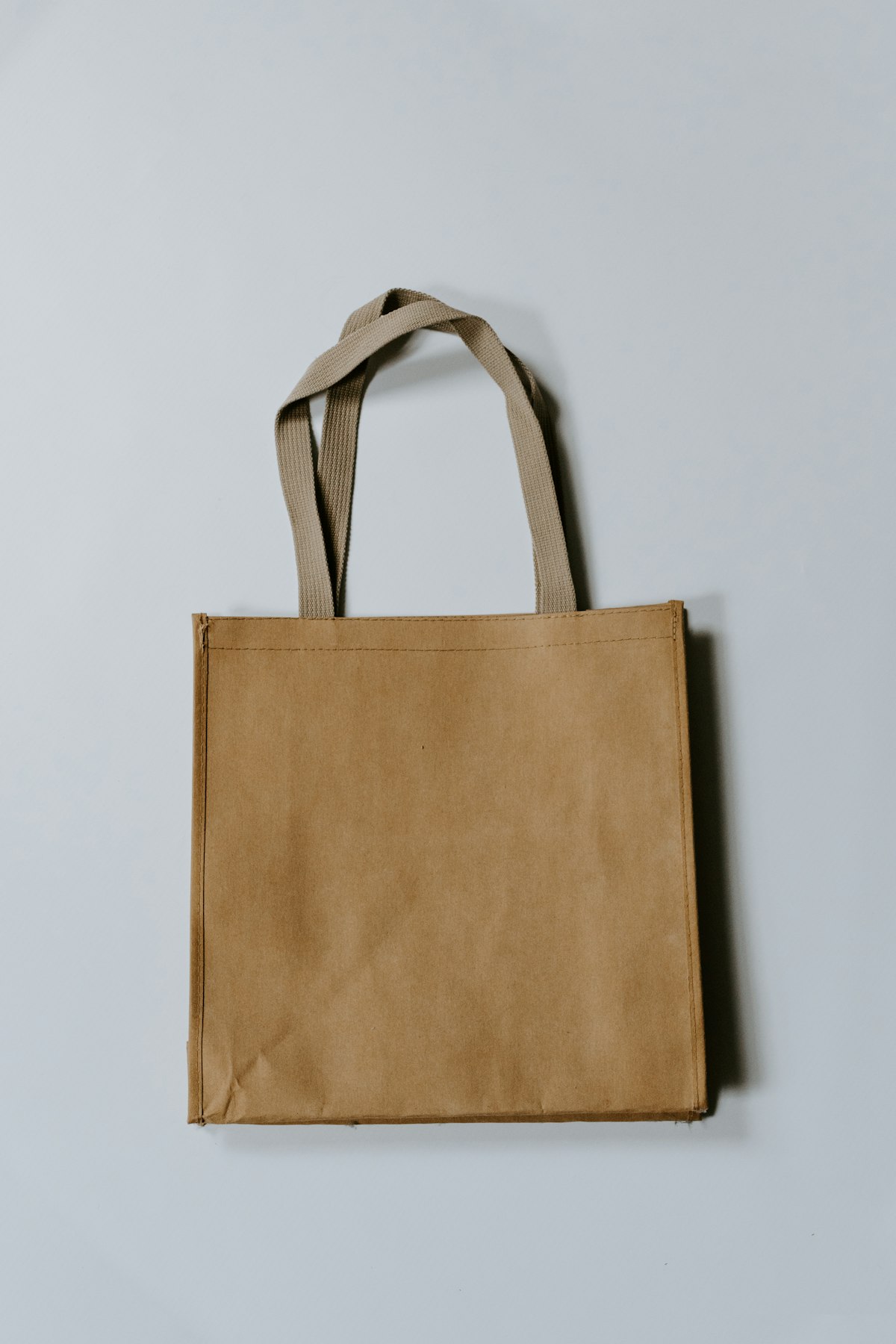
Quick answer: ASEAN offers manufacturing and export options to evaluate for reusable shopping bags supplied to importers, distributors, retailers, and project buyers in the US, UK, EU, Canada, Australia, and New Zealand. A reliable program starts with destination-market requirements, a controlled specification, representative samples, documented verification, and a complete landed-cost comparison—not headline unit price alone.
Why source reusable shopping bags from ASEAN in 2026
- Evaluate the relevant country options below by demonstrated process capability, material access, testing and export documentation—not national reputation alone.
- Buyers can develop standard, private-label, and specification-led ranges through one coordinated program.
- Performance, compliance, packaging, and destination requirements should be fixed before commercial comparison.
Country comparison: where to source reusable shopping bags
| Country | Manufacturing strength | Buyer consideration |
|---|---|---|
| Vietnam | Cut-and-sew textiles and printed retail bags | Control fabric weight, seam strength and handle attachment. |
| Cambodia | Cut-and-sew garment and bag production | Verify fabric sourcing, handle seams and printing capability for the exact tote design. |
| Thailand | Woven and nonwoven polymer converting and retail packaging | Compare real durability and resin traceability, not bag weight alone. |
How to source reusable shopping bags from ASEAN: 6 steps
1. Define the product and destination requirements
Prepare a controlled specification for reusable shopping bags covering dimensions, materials, performance, finish, packaging, labeling, destination rules, and approval tests. Separate mandatory requirements from preferences so every offer is compared on the same basis.
2. Build a qualified manufacturing shortlist
TUSKO screens the relevant production processes, equipment, capacity, quality controls, export experience, traceability, and document capability. The buyer works through TUSKO as the single point of contact throughout the program.
3. Compare samples against one approval standard
Use controlled drawings, measurable acceptance criteria, an approved master sample, and a documented change process. Functional testing should reproduce intended use rather than rely on photographs or appearance alone. For reusable shopping bags, sample approval should cover fabric or polymer composition and the most consequential failure modes listed below.
4. Confirm testing and compliance evidence
Map applicable destination-market standards, test methods, declarations, warnings, and batch records before production. Verify that every report matches the exact material, model, construction, and production site used for the order. Reusable, recycled, organic and compostable claims each need specific evidence; a thicker bag is not proof of environmental benefit.
5. Lock the commercial and quality plan
Confirm quantity tiers, approved materials, tooling where relevant, inspection points, packaging, production timing, shipping terms, and complete landed price through TUSKO before release.
6. Inspect, load, and retain batch records
Complete pre-shipment checks against the approved specification, verify labels and cartons, supervise loading where needed, and retain traceable records for receiving, service, and repeat orders.
Product-specific quality checklist
Fabric or polymer composition, fabric weight, dimensions, handle length, seam construction, rated load, cyclic lift durability, wash shrinkage, colorfastness, print adhesion and carton quantity. Turn these attributes into agreed methods, sample sizes, tolerances and pass/fail limits before production. Test the final SKU and retain approved samples and lot records.
Destination-market caution: Reusable, recycled, organic and compostable claims each need specific evidence; a thicker bag is not proof of environmental benefit.
Frequently Asked Questions
How should reusable capacity be tested?
Define the load, filling pattern, number of lift cycles, handle grip and failure criteria. Test seams and handle attachments, not only fabric tensile strength.
Which material should a buyer choose?
Compare cotton, woven polypropylene, nonwoven polypropylene and polyester against intended reuse, cleaning, decoration, cost and destination rules.
Can bags be called compostable?
Not without relevant product-specific evidence and appropriate labeling. Verify the applicable standard, test scope, components and available disposal pathway.
How should recycled content be checked?
Request traceable input records and credible chain-of-custody documentation that covers the product and declared percentage. A logo alone is insufficient.
What affects printed artwork durability?
Ink system, surface preparation, curing, fabric movement and washing affect performance. Approve a decorated sample and agree rub or wash tests.
Do carrier-bag rules vary by market?
Yes. Local bag restrictions, labeling and environmental-claim rules can differ within a country. Confirm the actual destination and sales channel.
Related sourcing resources
Compare your landed-cost assumptions, explore ASEAN sourcing options, or review the ASEAN import workflow.
Work with TUSKO
Send TUSKO your specification, destination market, target quantity, required timing, and current benchmark. TUSKO coordinates qualification, samples, quality controls, consolidated commercial terms, and delivery as your single point of contact.
WhatsApp Business: @tuskoconsulting — contact TUSKO by WhatsApp or email
Email: contact@tuskoconsulting.com
Reply within 12-24 hours.